UPI Payment





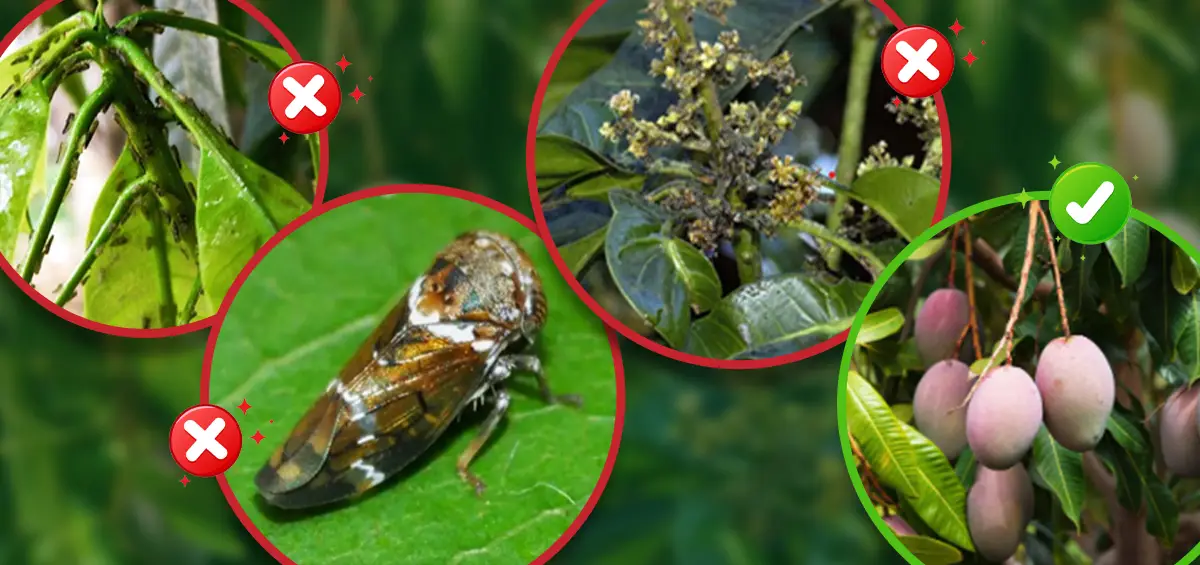
Mango (Mangifera indica Linn.) is a very important and popular fruit in the world. It is the choicest fruit of the subcontinent and is known as king of all fruits. Its popularity is mainly due to its excellent flavour, delicious taste, and high nutritive value being rich in vitamins A and C. Its origin is believed to be south Asia where it has been cultivated for the last four thousand years. Now it is a commercially cultivated important fruit of this subtropical region particularly India, Bangladesh, and Pakistan. But production of mango is enormously handicapped by the ravages of insect pests from seedling to their maturity. More than 300 insect pests have been recorded to attack mango crop in different regions of world.
Among the mango pests, Mango hopper (Idioscopus clypealis) is one of the most serious and widespread pests throughout the country, which causes heavy damage to mango crop.
Hoppers is a polyphagous, cryptic pest with a short life cycle, strong mobility toward the development of pesticide resistance, and the ability to infest a wide range of host plants. Hoppers species such as Amritodus atkinsoni, Idioscopus clypealis, and Idioscopus nitidulus are still active and inflict up to 100% losses at each crop stage of mango from appearance of new flush to flowering cum fruit setting stages.
Amritodus atkinsoni
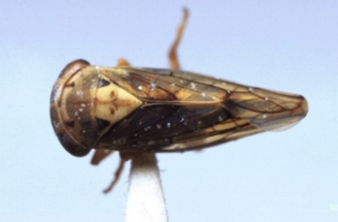
Idioscopus clypealis
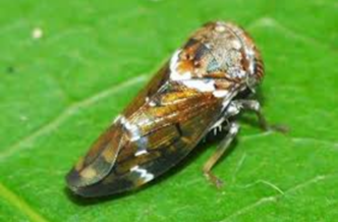
Idioscopus nitidulus
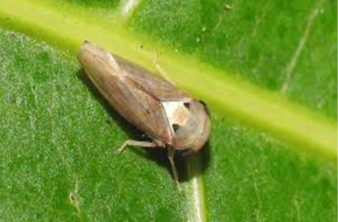
Both the nymphs and adults of the hoppers puncture and suck the sap from tender shoots, inflorescences or panicles, and the rachis of young fruits, and leaves of mango crop, which cause nonsetting of flowers and dropping of immature fruits, thereby reducing the yield. Hoppers also excrete a secretion, called honey dew. In moist weather, it encourages the development of fungi like Meliola mangiferae (Earle), resulting in growth of sooty mould on dorsal surface of leaves, branches, and fruits. This black coating interferes with the normal photosynthetic activity of the plant, ultimately resulting in nonsetting of flowers and dropping of immature fruits. This damage is called honey dew disease.
On heavily infested trees, crop losses of 50% or more have been recorded. In the past its control was based purely on chemicals especially synthetic insecticides. But nonjudicious application of highly toxic and persistent insecticides is causing several problems such as disrupting natural enemy complexes, development of insecticide resistance, secondary pest outbreak, pest resurgence, and environmental pollution. To solve these problems farmers can shift from the unilateral reliance on insecticide use to alternative approaches. In this situation, biodegradable substitutes are now being strongly conceived by all scientists of the world. Biologically active natural plant products may play a significant role in this regard as they are environmentally safe, biodegradable, and cost effective.
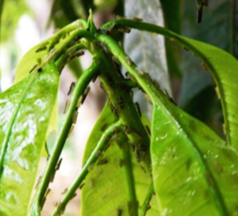
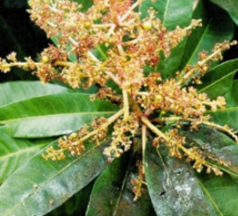
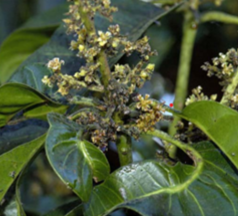
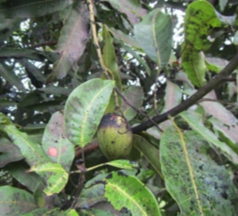
The leafhoppers are wedge-shaped, with broad, rounded heads. The adults are golden or dark brown, about 4-5 mm long; the nymphs are yellow- brown, with red eyes. The leafhoppers move quickly.
Idioscopus nitidulus breeds in the flowers and new flushes of leaves, whereas Idioscopus clypealis breeds only in the flowers. Each female lays between 100-200 eggs singly into the mid-rib on the underside of the leaves and/or the flowers.
Spread over short distances occurs by adults making short flights, and longer distances on nursery plants.
Hopper population shoots up in February-April and June-August.
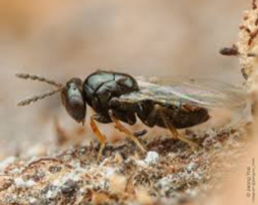
Polynema spp
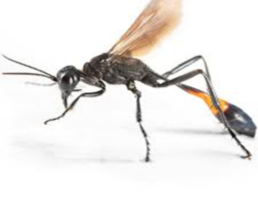
Gonatocerus sp
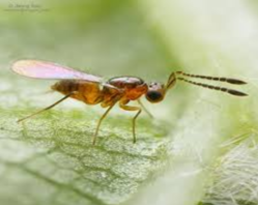
Tetrastichus sp
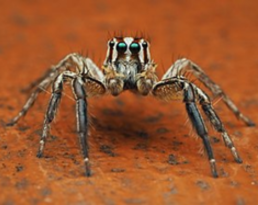
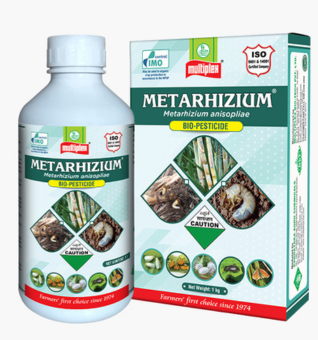
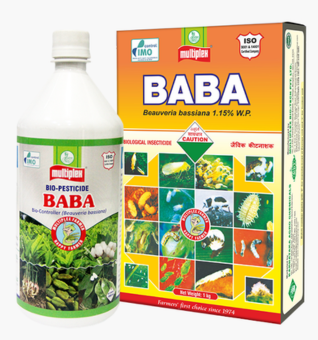
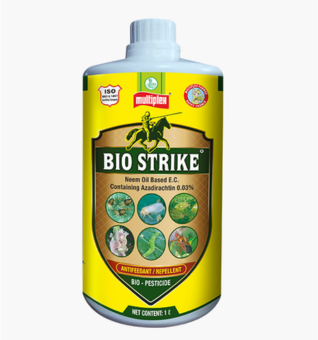
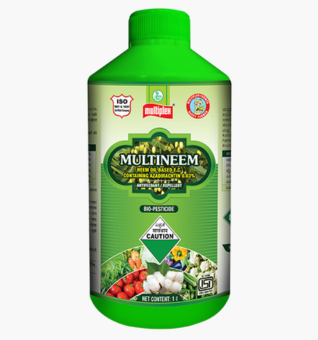
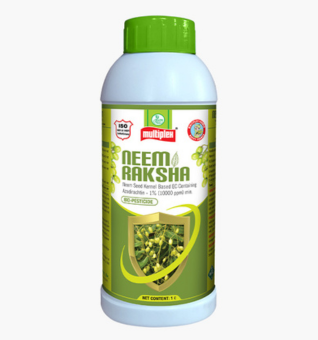
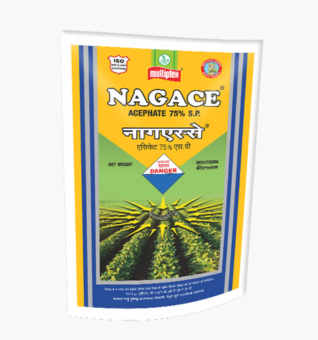
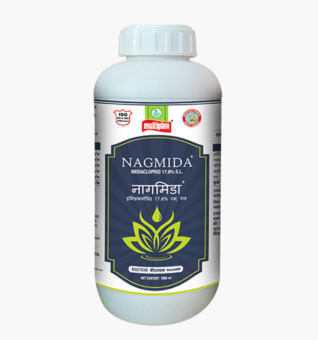
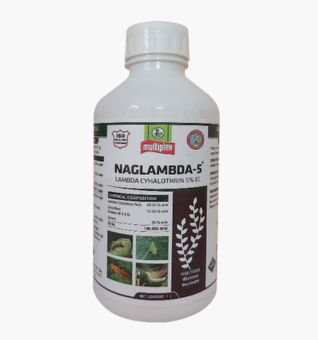
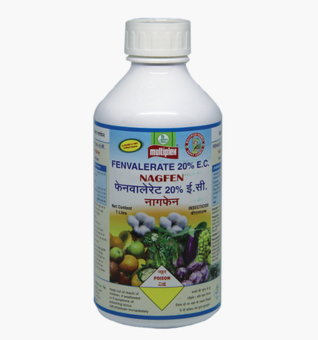
To maximise control of Plant Hoppers and minimize harm to pollinators, follow this schedule:
For efficient control mix Multiplex Multineem 2 ml/Liter or Multiplex Neemraksha 1 ml/Liter along with Insecticides