


Welcome to Multiplex Group

Carbon Utilisation Efficiency in C3, C4, and CAM Crops: Implications for Nutrient Movement and Fertilizer Management

05 February 2026

Carbon utilisation efficiency (CUE) refers to how effectively plants convert absorbed atmospheric carbon dioxide (CO₂) into carbohydrates through photosynthesis. It is closely linked with plant productivity, nutrient uptake, and fertilizer use efficiency. Based on their photosynthetic pathway, plants are broadly classified into C3, C4, and CAM plants, each having distinct carbon utilisation strategies and nutrient requirements.

Carbon Utilisation in C3 Plants

C3 plants fix CO₂ directly through the Calvin cycle, where the first stable compound formed is a three-carbon molecule (3-phosphoglycerate). This process is carried out by the enzyme RuBisCO, which can also react with oxygen, causing photorespiration.

Due to photorespiration, a significant portion of fixed carbon is lost, especially under high temperature, high light intensity, and low CO₂ conditions. As a result, carbon utilisation efficiency in C3 plants is relatively low.

Relation with Nutrient Movement:

  • RuBisCO is a nitrogen-rich enzyme, so C3 plants have a high nitrogen requirement.
  • Nitrogen mobility in plants is high; deficiency symptoms appear first on older leaves.
  • Phosphorus is critical for ATP and sugar phosphate formation during carbon fixation.
  • Potassium plays a role in stomatal regulation and carbohydrate translocation.

Fertilizer Application Strategy:

  • Requires higher nitrogen fertilization, preferably in split doses to reduce losses.
  • Adequate phosphorus application enhances energy transfer and carbon assimilation.
  • Balanced potassium improves translocation of photosynthates.
  • Excess nitrogen without proper P and K can increase vegetative growth but reduce carbon efficiency.

Examples:
  • Cereals - Rice, wheat, Barley, Oats
  • Pulses - Soybean, Chickpea, Redgram
  • Vegetables - Tomato, Brinjal, Onion, Potato, Cabbage, Cauliflower
  • Fibres - Cotton, Jute
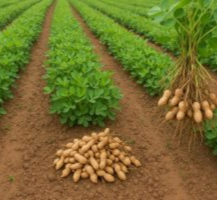
  • Oil seeds - Groundnut, Sesame, Mustard, Sunflower


Carbon Utilisation in C4 Plants

C4 plants have a CO₂ concentrating mechanism that minimizes photorespiration. CO₂ is first fixed in mesophyll cells into a four-carbon compound (oxaloacetate) using the enzyme PEP carboxylase, which has a high affinity for CO₂ and no affinity for oxygen. The CO₂ is then released in bundle sheath cells for the Calvin cycle.

This mechanism results in higher carbon utilisation efficiency, especially under high temperature and light conditions.


Relation with Nutrient Movement:

  • C4 plants require less RuBisCO, resulting in better nitrogen use efficiency.
  • Nitrogen uptake is more efficiently converted into biomass.
  • Potassium is crucial for maintaining high photosynthetic rates and enzyme activation.
  • Micronutrients like zinc and iron are important for enzyme systems involved in carbon metabolism.

Fertilizer Application Strategy:

  • Moderate nitrogen requirement compared to C3 plants.
  • Nitrogen use efficiency is high; excessive nitrogen may not proportionally increase yield.
  • Adequate potassium is essential for sustaining high carbon fixation rates.
  • Balanced micronutrient application supports enzyme activity and photosynthate movement.

Examples:
  • Cereals - Maize, Sorghum, Pearl millet, Finger millet, Sugarcane
  • Forage crops - Napier grass, Sudan grass, Para grass


Carbon Utilisation in CAM Plants

CAM (Crassulacean Acid Metabolism) plants exhibit a temporal separation of carbon fixation. Stomata open at night, allowing CO₂ uptake with minimal water loss. CO₂ is stored as malic acid and released during the day for photosynthesis.

Although CAM plants have excellent water use efficiency, their carbon utilisation efficiency in terms of biomass production is relatively low, due to limited nighttime CO₂ uptake.


Relation with Nutrient Movement:

  • Slow growth rate results in lower overall nutrient demand.
  • Nitrogen demand is lower compared to C3 and C4 plants.
  • Calcium plays a key role in cell wall stability and stomatal regulation.
  • Potassium supports osmotic balance and acid metabolism.

Fertilizer Application Strategy:

  • Requires low but well-balanced fertilization.
  • Excess nitrogen can disturb metabolic balance and reduce stress tolerance.
  • Slow-release or organic fertilizers are more suitable.
  • Micronutrients should be applied carefully to avoid toxicity.

Examples:
  • Fruit crops - Pineapple, Dragon fruit
  • Medicinal & Industrial - Agave, Aloe vera, Vanilla
  • Ornamental crops - Cactus, Bryophyllum, Sedan


Linking Carbon Utilisation with Fertilizer Efficiency

Carbon fixation and nutrient uptake are interdependent processes. Efficient carbon utilisation enhances root growth, energy availability, and active nutrient transport, while proper nutrient supply improves photosynthetic efficiency.

  • In C3 plants, optimizing nitrogen, phosphorus, and potassium is crucial to reduce photorespiratory losses.
  • In C4 plants, efficient nutrient use aligns well with their high carbon fixation capacity, making them ideal for high-input agriculture.
  • In CAM plants, conservative nutrient application supports stress tolerance rather than high productivity.

Conclusion

Understanding carbon utilisation efficiency in C3, C4, and CAM plants helps in designing crop-specific nutrient management strategies. Aligning fertilizer application with the photosynthetic pathway improves nutrient use efficiency, carbon fixation, and sustainable crop productivity, making it a vital concept in modern agriculture.

Recent Blogs

Project Image
Blossoms to Bounty: Physiology of Mango Flowering and Yield
Read more
Project Image
Inflorescence Die-back in Arecanut
Read more
Project Image
Fusarium Wilt Decoded: Practical Tips for Healthy, High-Yield Watermelon Farming
Read more