UPI Payment





Sugarcane is one of the most important commercial crops grown in tropical and subtropical regions, particularly in countries like India. It serves as a primary source of sugar and ethanol and supports several allied industries producing by-products such as jaggery, molasses, bagasse, and bioenergy. Owing to its significant contribution to the agricultural economy and rural livelihoods, maintaining healthy and productive sugarcane crops is of paramount importance.
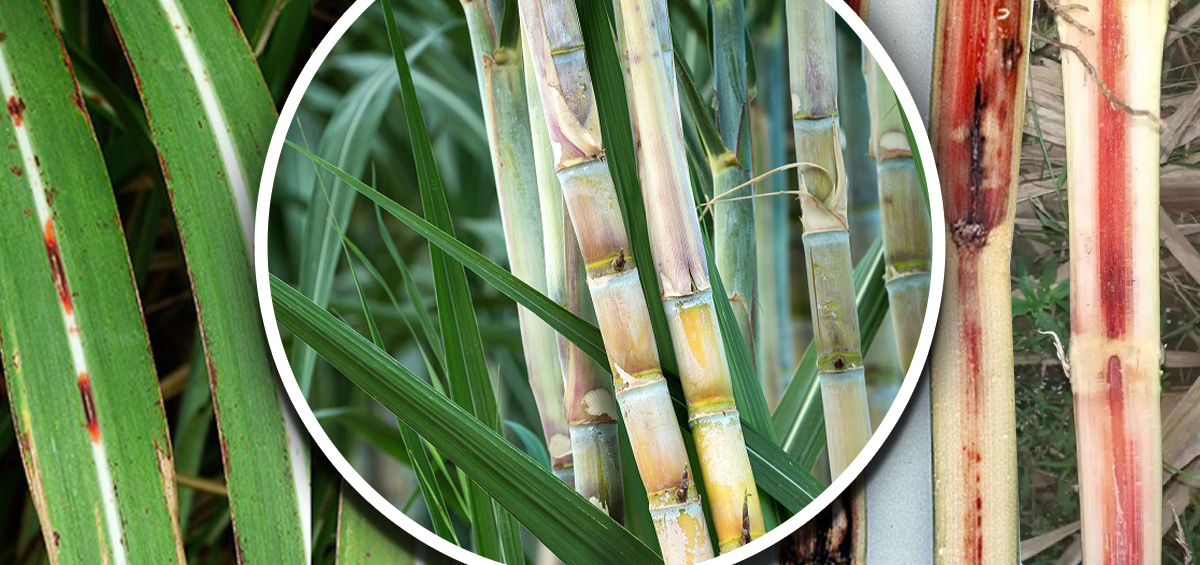
However, sugarcane cultivation is severely constrained by several diseases, among which red rot is considered the most destructive. Red rot poses a serious threat to both cane yield and quality and affects crops at different growth stages across many varieties. The disease is characterized by a typical reddish-brown discolouration of the internal cane tissues, leading to internal rotting and a pronounced decline in plant vigour. As the disease advances, extensive tissue degradation occurs, resulting in substantial yield losses and poor-quality cane that becomes unsuitable for efficient sugar processing.
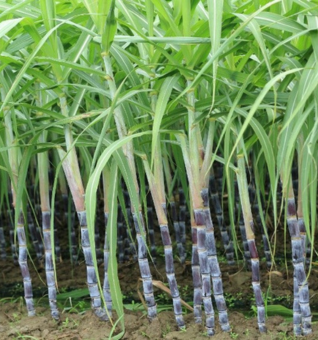
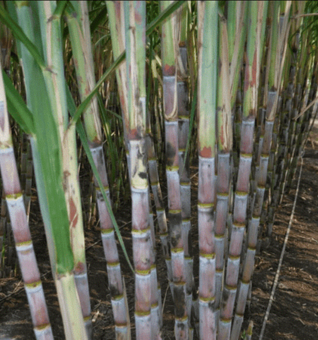
Red Rot is primarily caused by the fungus Colletotrichum falcatum (Glomerella tucumanensis). The infection generally begins through wounds created by mechanical damage, pest activity, or improper handling during cultivation practices. Once the pathogen enters the plant, it spreads through the vascular system, disrupting the transport of water and nutrients and weakening the plant from within.
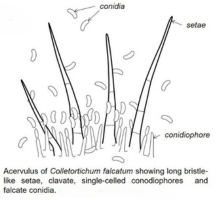
Acervulus of Colletotrichum falcatum with conidia and conidiophore
Initially, reddish or brownish lesions appear on the stem, but as the disease advances, it may extend to the roots and leaves. The internal tissues gradually become soft and spongy, leading to partial or complete collapse of the cane in severe cases.
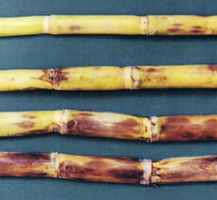
Blotch-like symptoms observed on the stem
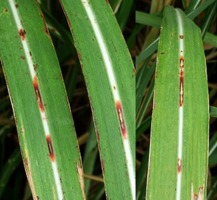
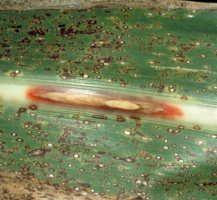
Reddish lesions observed on the midrib of the leaves
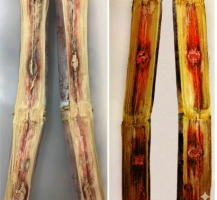
Internal splitting of the vascular bundle with reddish discolouration
The occurrence and severity of Red Rot are strongly influenced by environmental conditions, soil health, and the inherent resistance of sugarcane varieties.
Warm and humid weather, particularly during the monsoon season, favours the development of Red Rot. Temperatures ranging from 20°C to 30°C combined with high humidity, create ideal conditions for fungal growth. Prolonged rainfall and poor drainage further enhance disease spread.
Poorly drained soils and excess irrigation raise soil moisture, favouring fungal survival. Nutrient-deficient, acidic, and poorly aerated soils weaken plant defences, increasing crop susceptibility to infection.
Sugarcane varieties vary in Red Rot resistance. Resistant types strengthen cell walls and produce antimicrobial compounds, while many commercial varieties remain susceptible, making varietal resistance a key focus in sugarcane breeding programs.
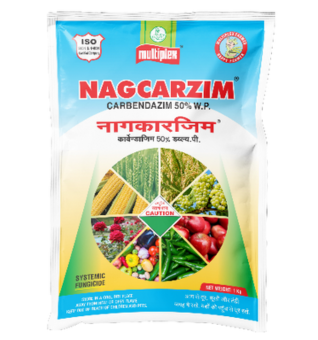
Chemical fungicides such as Multiplex Nagcarzim @ 2 g/L and Multiplex Tecsulp @ 2 g/L are effective tools for managing Red Rot by lowering pathogen pressure and restricting disease development. Their timely and appropriate application can provide reliable disease control.
To achieve more consistent results, particularly against vascular infections, these fungicides are most effective when used as part of an integrated disease management approach rather than as standalone measures.
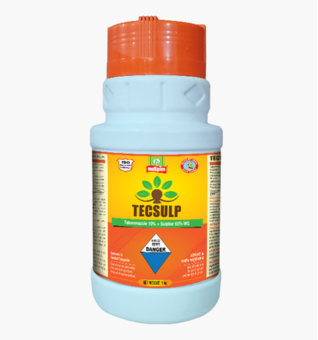
To further enhance Red Rot management, biopesticides based on beneficial microorganisms are increasingly integrated, supporting disease suppression through competition, antagonism, and activation of plant defence mechanisms, while complementing chemical fungicides.
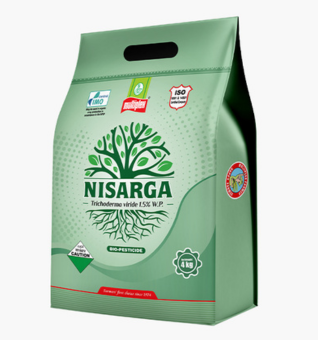
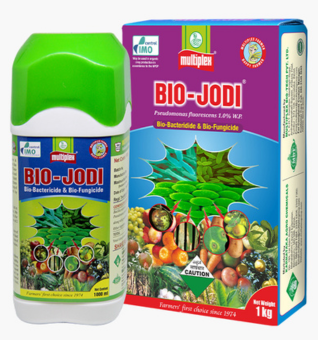
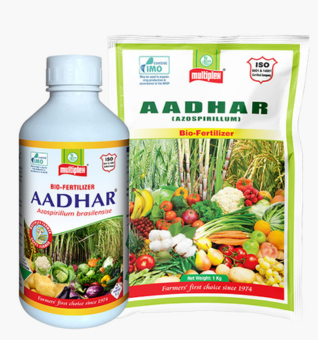
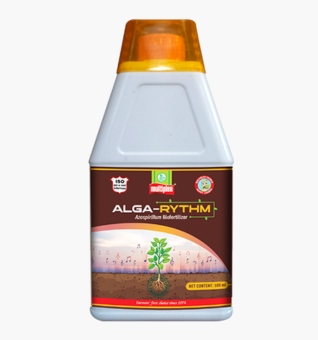
An integrated approach combining resistant varieties, proper sett treatment, biopesticides and targeted fungicide use with sound agronomic practices, offers a resilient and sustainable strategy against sugarcane red rot. This holistic management not only suppresses disease incidence but also enhances crop health, yield and long-term productivity.