UPI Payment





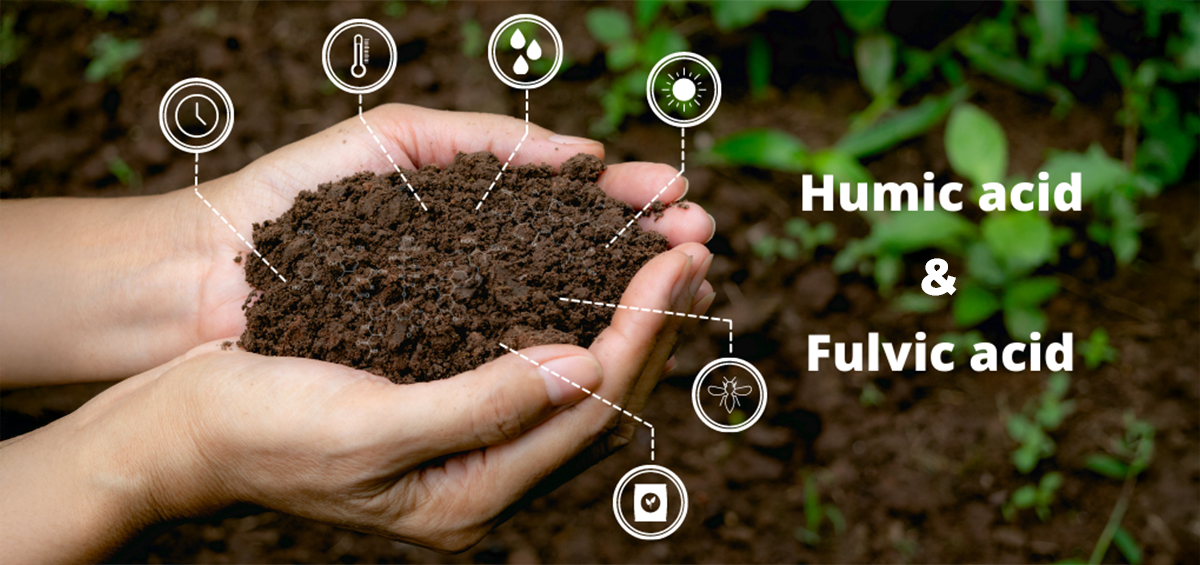
Humic acids and fulvic acids are formed naturally in soils via chemical and biological processes that transform organic matter, aided by microbial activity during decomposition. As a major reservoir of organic carbon, they play a vital role in soil carbon and nutrient cycling, supporting plant growth and development, and aiding in the breakdown of toxins and heavy metals.
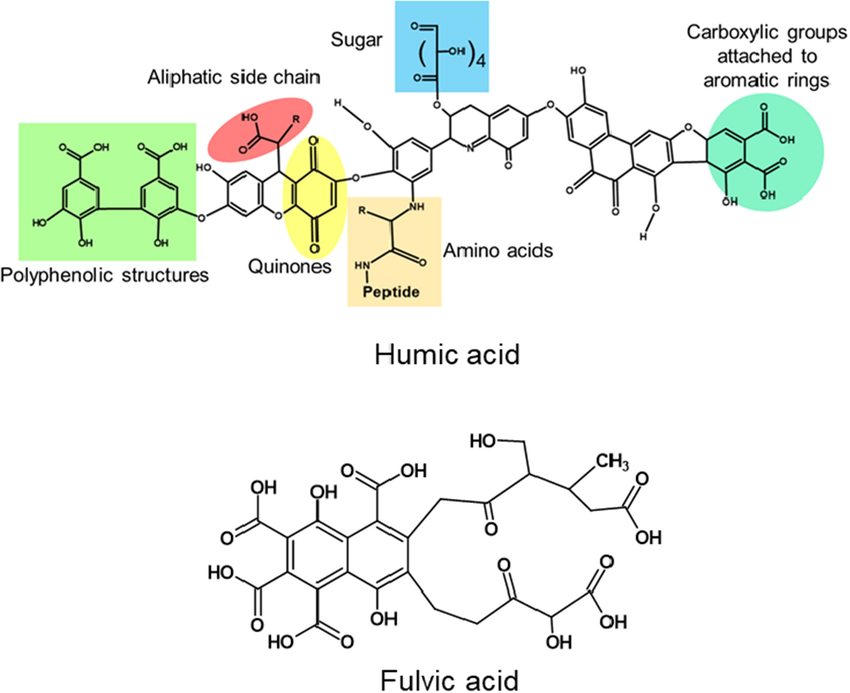
They are classified under the broader category of humic substances into three main fractions based on their solubility in water at different pH levels.
| Properties | Fulvic Acid | Humic Acid |
|---|---|---|
| Molecular Size | Smaller when compared to humic acid | Larger |
| Water Solubility | Soluble at all pH levels | Only at high pH (alkaline) |
| Color | Yellow to light brown | Dark brown to black |
| Action | Faster, more immediate plant response | Slower, more durable soil and plant response |
| Absorption | Easily absorbed | Absorbed more slowly |
| Chelating Ability | More active and effective chelating compound | Effective chelating agent |
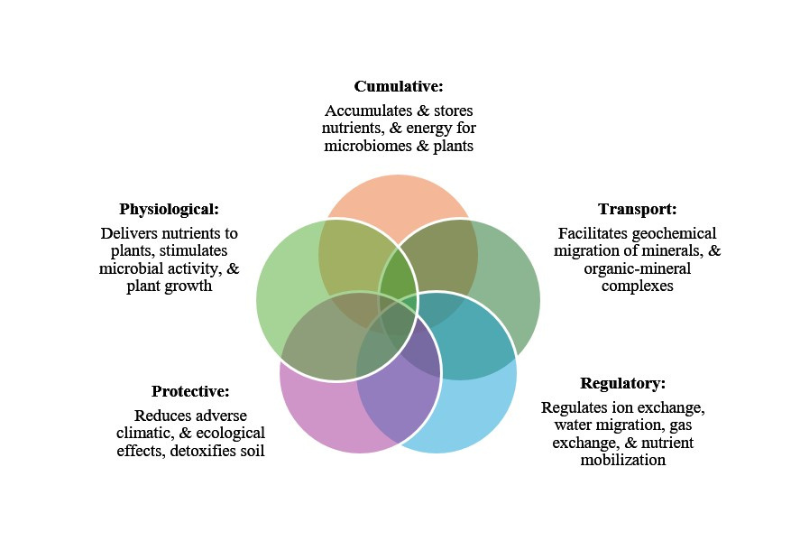
They act as soil conditioners, improve soil structure by enhancing aggregation and porosity, which in turn supports microbial activity and boosts nutrient availability. Additionally, function as chelating agents, helping to increase the availability of essential micronutrients in the soil.
Due to their excellent solubility and small molecular size, these substances transport nutrients efficiently throughout plants, act as carriers of trace elements into internal tissues, and influence growth-regulating pathways-stimulating growth, enhancing stress resilience, and supporting overall plant vitality.
When used together, they create a synergistic effect that maximizes their individual benefits:
Root Mass Increase: Combining leads to a significant increase in root mass, allowing plants to access more water and nutrients from the soil.
Overall Plant Health Improvement: The combined effects of better nutrient availability, enhanced microbial activity, and improved soil structure result in healthier, more vigorous plants.
Crop Yield Enhancement: Substantial increases in crop yields, because of improved nutrient uptake, root development, and overall plant health.
| Crop | Effects |
|---|---|
| Chrysanthemum | Increased flower diameter by 33% |
| Common beans | Increased nutrient uptake by 41% & yield by 25–35% |
| Onion | Increased root fresh weight by 42–102% & yield by 5–6% |
| Peach | Increased fruit yield by 80% |
| Pepper | Increased N use efficiency and yield by 13% |
| Potato | Enhanced nutrient use efficiency and tuber weight (by 13%) and decreased incidence of hollow heart |
| Strawberry | Enhanced yield (33%), fruit firmness and total soluble solid percent |
| Tomato | Increased fruit yield by 44–80%; decreased incidence of Phytophthora infestans |
| Muskmelon | Enhanced fruit yield (18% of fruit fresh weight), fruit soluble solids, firmness, and decreased powdery mildew incidence |
| Sugarcane | Increased cane yield by 24.3 t ha-1 and sugar yield by 4.9 t ha-1 |
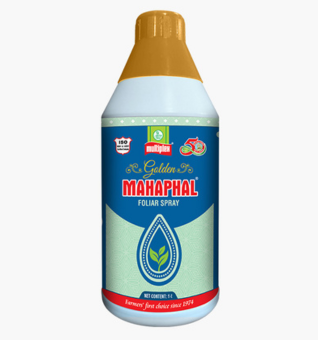
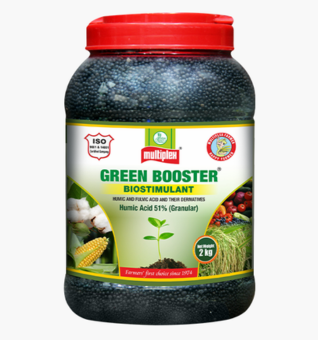
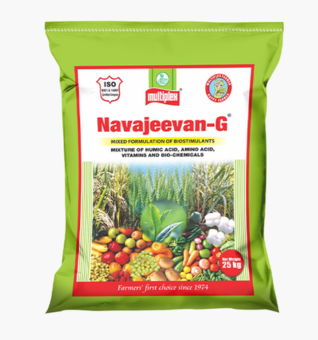
Considering the potentialities of humic and fulvic acids Multiplex Group of Companies has a range of products such as:

In agriculture, humic and fulvic acids play a vital role in boosting soil health and nutrient availability, which in turn supports plant growth. They also enhance nutrient uptake, helping crops develop deeper root systems and stronger overall health. In turn helps in producing higher yields at harvest. Together, their ability to chelate and bind nutrients makes them essential for maintaining sustainable soil fertility.