UPI Payment





"A healthy harvest doesn't begin at flowering or fruiting; it begins the day a seedling is transplanted."
Have you ever noticed that two farmers transplant the same crop on the same day, yet one field establishes quickly while the other struggles with wilting and uneven growth? The difference often lies in how successfully the seedlings overcome transplant shock.
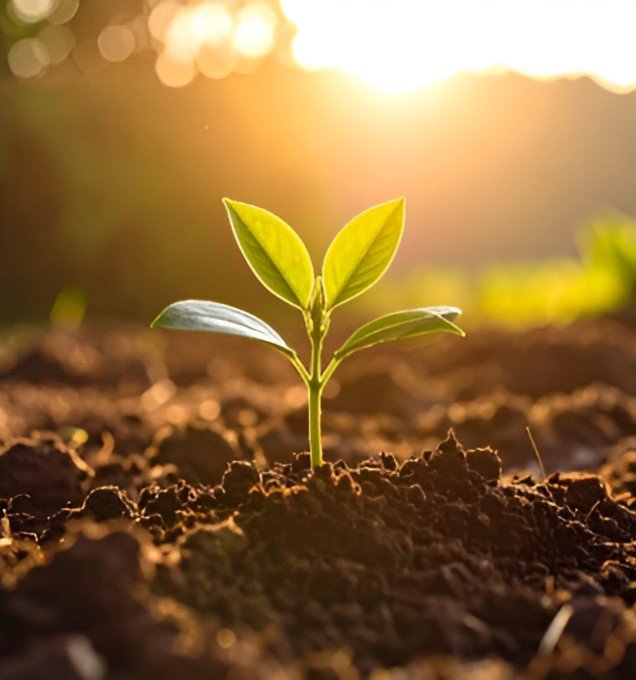
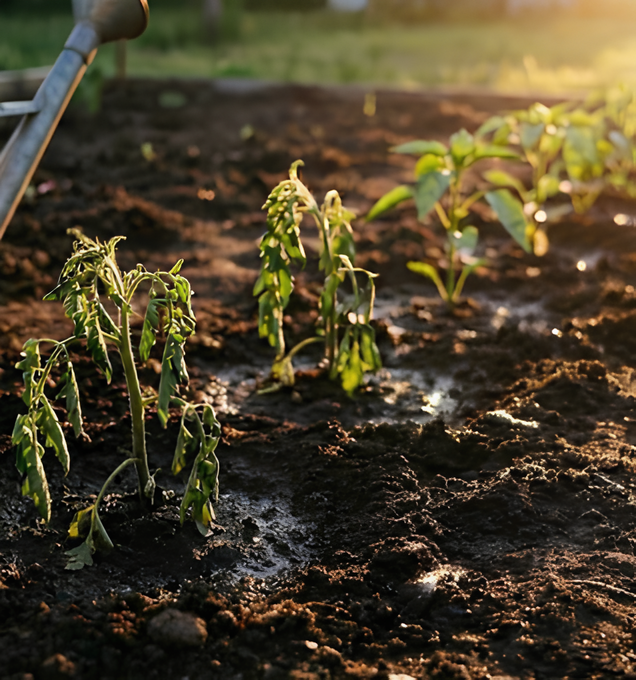
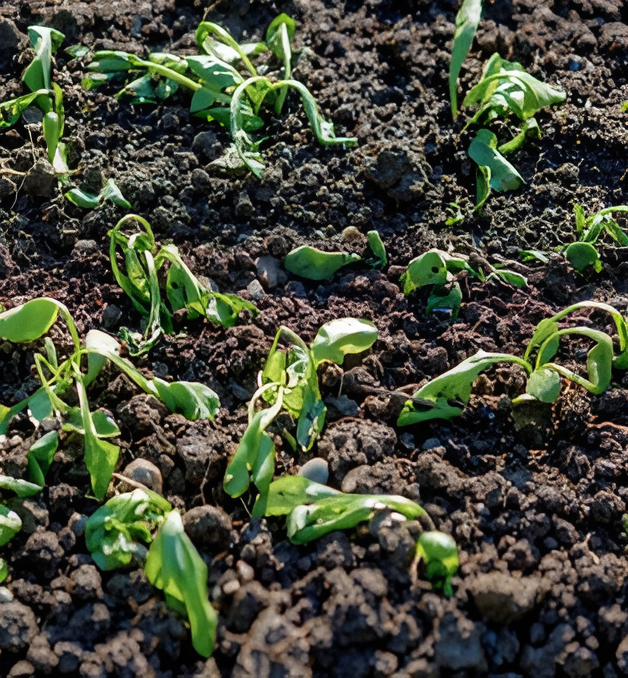
Transplantation is one of the most critical and stressful stages in a plant's life. Seedlings are moved from the protected nursery environment to the main field, where they suddenly face changes in soil, moisture, temperature, sunlight, and microbial activity. During this process, delicate feeder roots are often damaged, reducing the plant's ability to absorb water and nutrients. If the seedling cannot recover quickly, growth slows, establishment becomes uneven, and yield potential is affected.
Bio stimulants are natural or biologically derived substances, beneficial microorganisms, or their combinations that enhance a plant's natural physiological and biochemical processes. Unlike fertilizers, they do not primarily supply nutrients but improve nutrient uptake and utilization, stimulate root growth, enhance tolerance to abiotic stresses such as drought, salinity, and heat, and promote overall plant growth, yield, and crop quality.
Bio stimulants are formulated from a wide range of natural ingredients, including seaweed extracts, humic and fulvic acids, amino acids, protein hydrolysates, beneficial microorganisms (such as mycorrhizal fungi and plant growth-promoting bacteria), plant extracts, vitamins, organic compounds, and other bioactive molecules that support healthy plant development.
Think of fertilizers as the plant's food, while bio stimulants act as a fitness coach, helping the plant make better use of nutrients, water, and environmental resources.
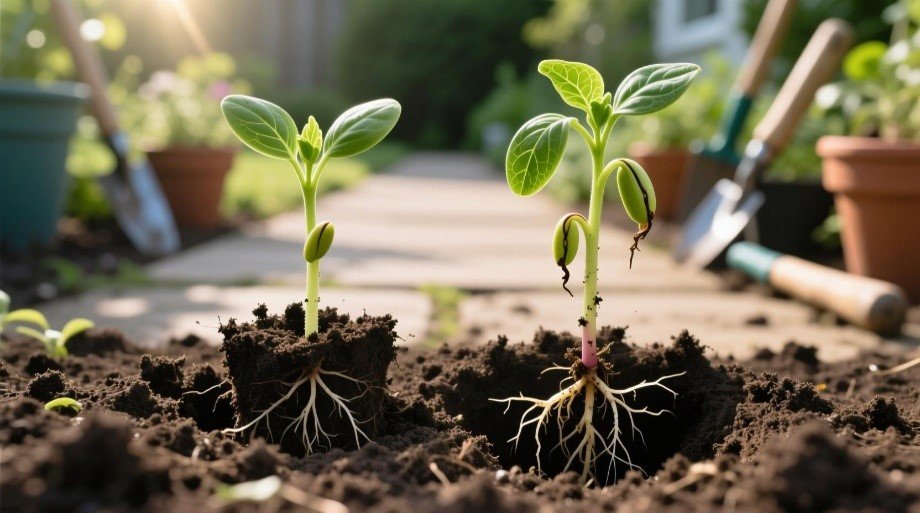
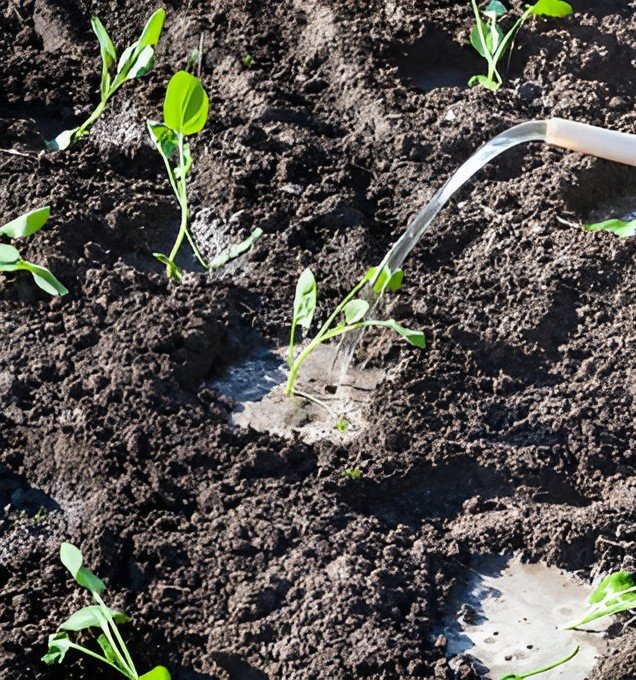
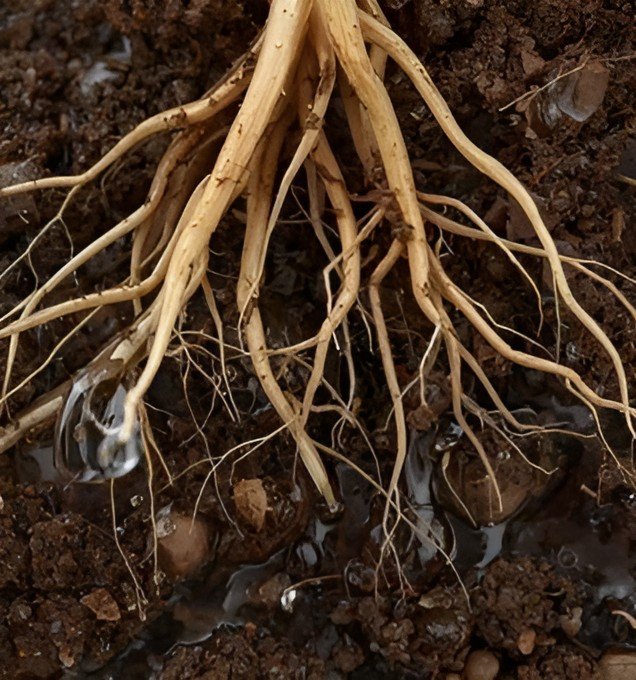
When seedlings are transplanted, feeder roots and root hairs are disturbed or damaged. Until new roots develop, the plant cannot efficiently absorb water and nutrients, resulting in physiological stress known as transplant shock.
The longer a plant spends recovering, the less energy it can devote to growth, flowering, and yield.
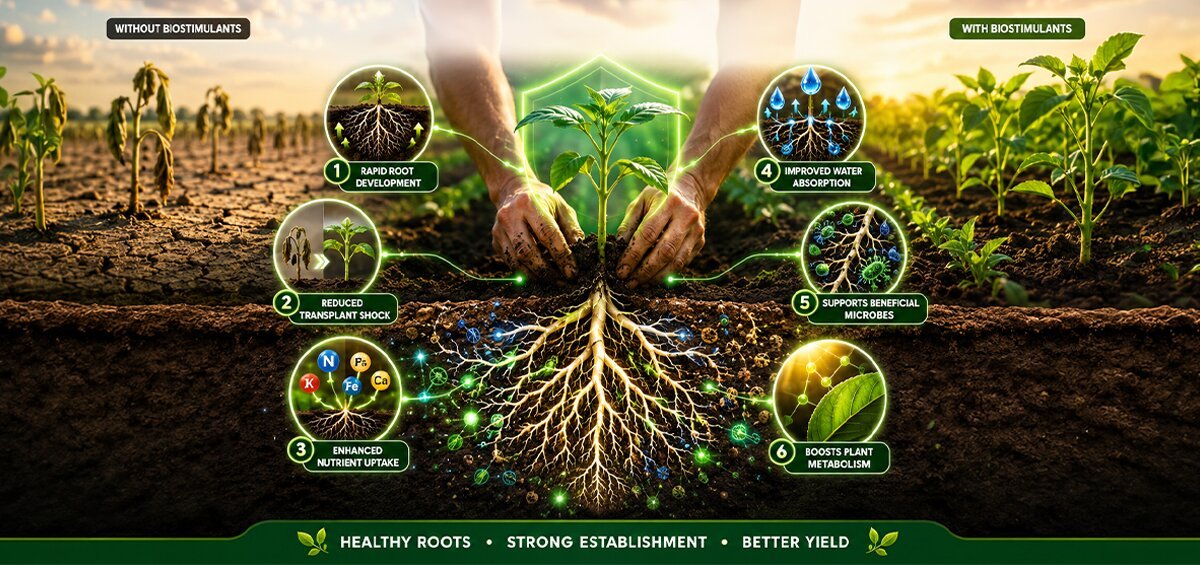
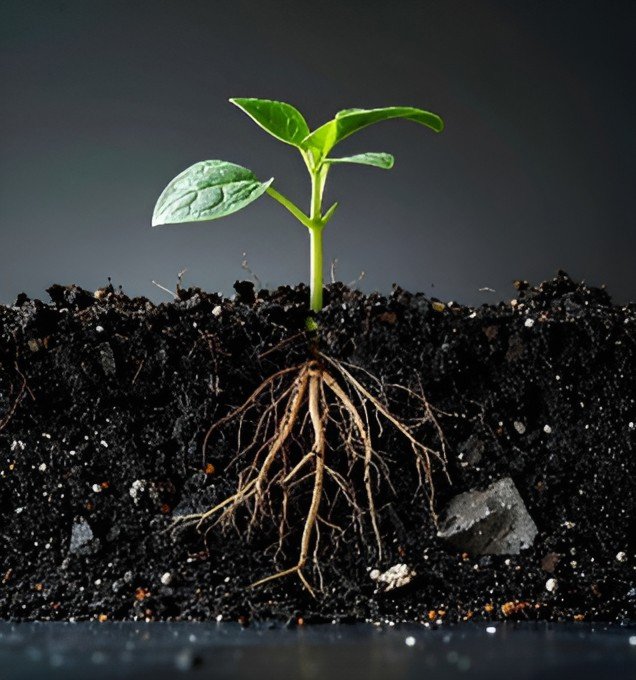
Bio stimulants stimulate auxin (IAA) activity, promoting root initiation, lateral root growth, and fine feeder root development. This creates a stronger root system that enhances water and nutrient uptake, ensuring faster seedling establishment.
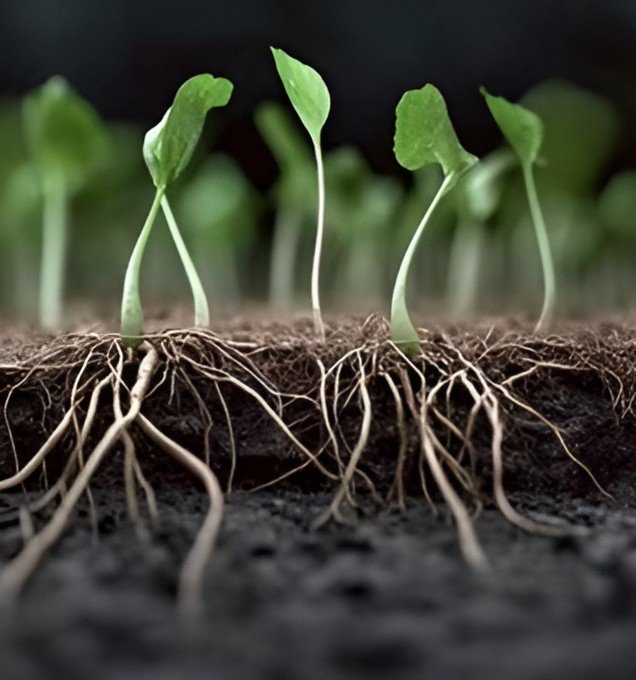
Biostimulants regulate abscisic acid (ABA) and maintain optimal auxin and cytokinin levels, while boosting antioxidant enzymes (SOD (Superoxide Dismutase), CAT (Catalase), and POD (Peroxidase)). This reduces transplant stress, limits oxidative damage and wilting, and improves seedling survival.
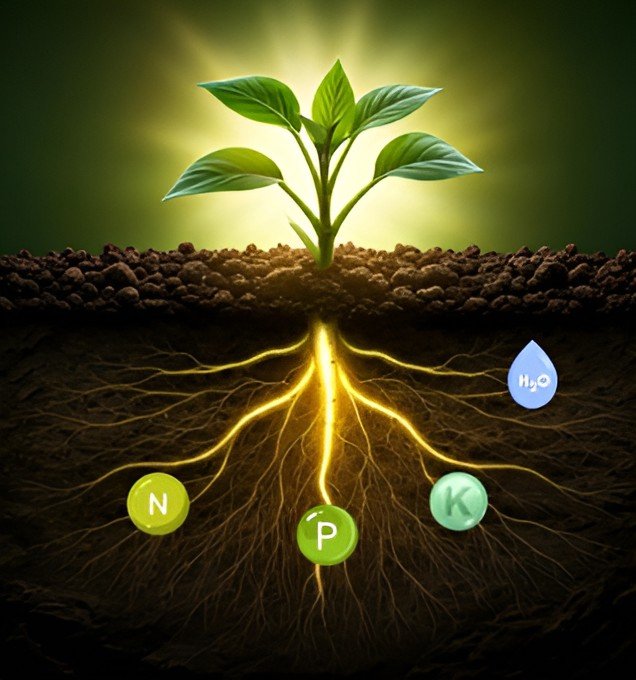
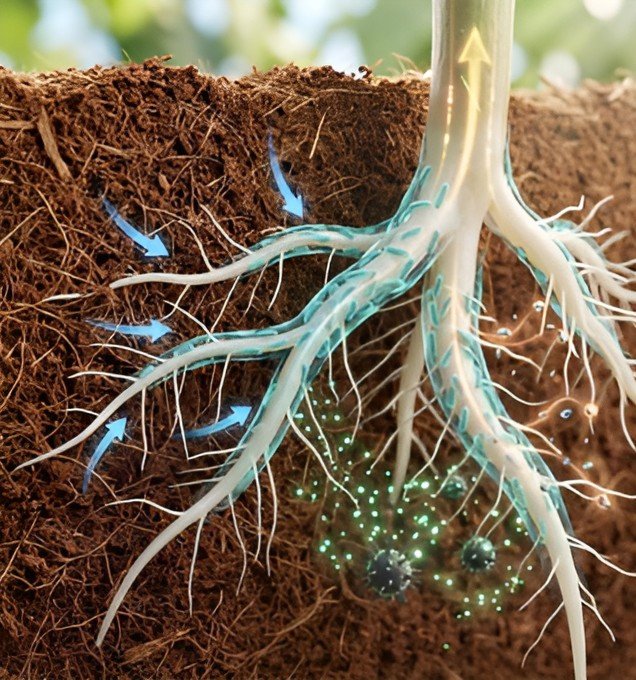
Bio stimulants activate H⁺-ATPase enzymes and stimulate auxin-mediated root growth, improving nutrient uptake. They also enhance nutrient transporter activity and support beneficial rhizosphere microbes, increasing the efficient absorption and utilization of N, P, K, and micronutrients.
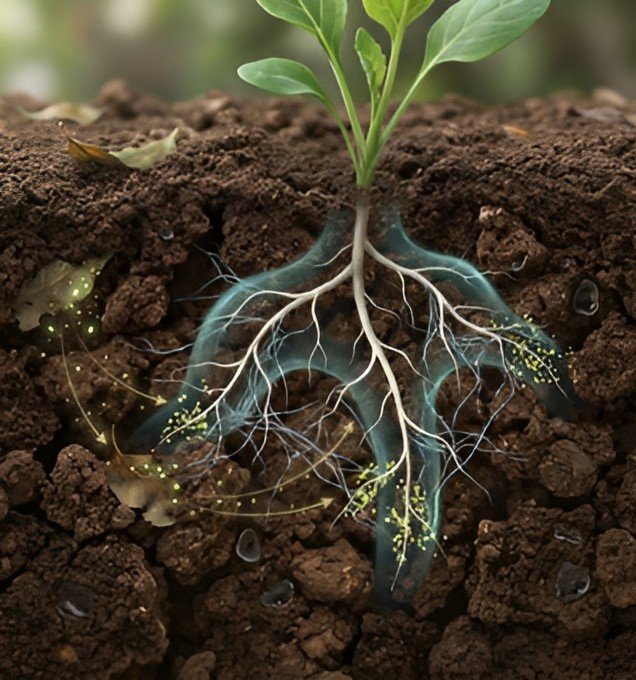
Bio stimulants stimulate aquaporin proteins and auxin-induced root branching, enhancing water uptake. They also regulate ABA-mediated stomatal function, improving water balance, reducing moisture stress, and supporting rapid seedling establishment after transplanting.
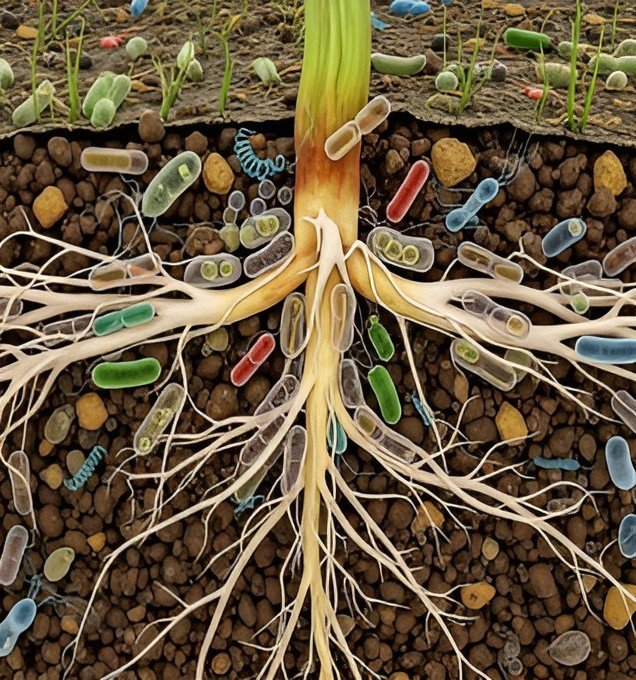
Bio stimulants promote PGPR and mycorrhizal fungi, which produce auxins, cytokinins, and gibberellins. These beneficial microbes enhance nutrient solubilization, biological nitrogen fixation, and soil health, supporting sustained crop growth.
Bio stimulants enhance cytokinin and gibberellin activity, promoting cell division, chlorophyll production, and enzyme activation. They improve photosynthesis, respiration, and protein synthesis, enabling faster recovery and vigorous plant growth.
Farmers often focus on fertilizers and crop protection after the crop is established. However, one of the greatest opportunities to improve crop performance occurs much earlier—during transplantation.
Bio stimulants help seedlings overcome transplant stress by promoting rapid root development, improving nutrient and water uptake, and strengthening the plant's natural ability to adapt to its new environment. Rather than replacing conventional crop nutrition, they complement it by improving the plant's efficiency and resilience.
A successful harvest begins with healthy establishment. By supporting seedlings during their most vulnerable stage, bio stimulants create stronger, healthier plants capable of delivering better productivity and improved crop quality.