UPI Payment





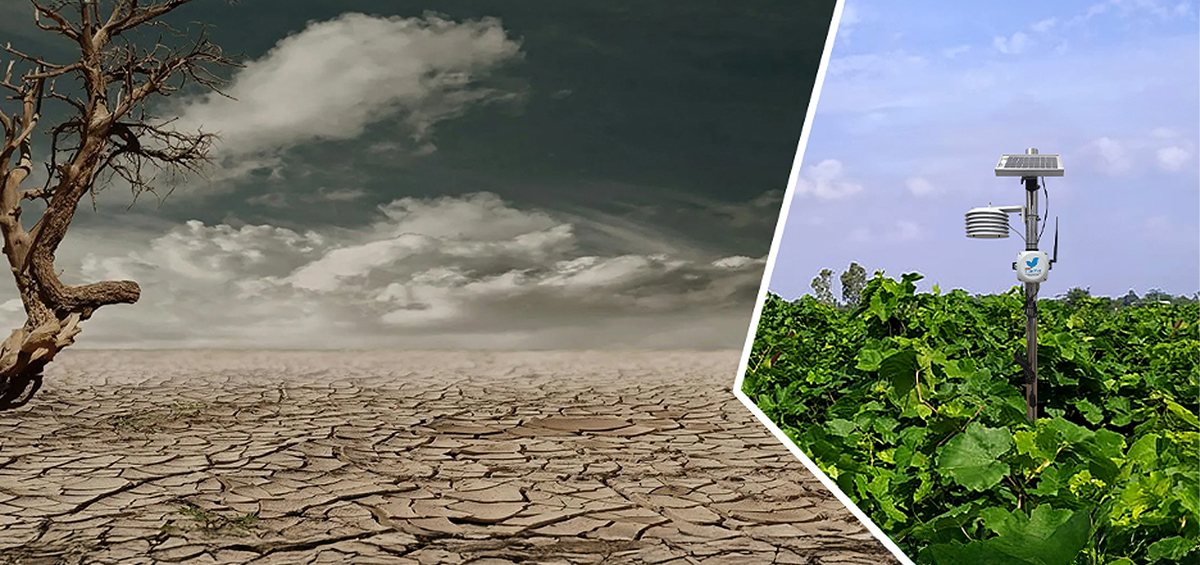
The Indian monsoon is the lifeline of the country's agriculture, economy, and water resources. Nearly 60% of India's cultivated land depends on rainfall during the southwest monsoon (June–September). Any variation in monsoon rainfall directly affects crop production, groundwater recharge, food security, and rural livelihoods.
One of the most important global climatic phenomena influencing the Indian monsoon is El Niño. Although it originates thousands of kilometres away in the Pacific Ocean, El Niño has the power to alter rainfall patterns across the globe, including India. Understanding El Niño helps farmers, agricultural professionals, policymakers, and researchers make informed decisions regarding crop planning and water management.
El Niño is one of the most influential climate phenomena affecting India's weather, particularly the southwest monsoon (June–September. Since nearly 55–60% of India's net sown area depends on monsoon rainfall, even a weak El Niño can significantly affect agriculture, water resources, food production, and the economy.
El Niño is a natural climate phenomenon characterised by the unusual warming of sea surface temperatures in the central and eastern equatorial Pacific Ocean. It is part of a larger climate cycle called the El Niño–Southern Oscillation (ENSO), which has three phases:
El Niño events typically occur every 2–7 years and last for about 9–12 months, although some events may continue for more than a year.
During El Niño, unusually warm waters in the central and eastern Pacific weakens the trade winds and shifts the rising branch of atmospheric circulation (Walker Circulation) eastward over the Pacific. As a result:
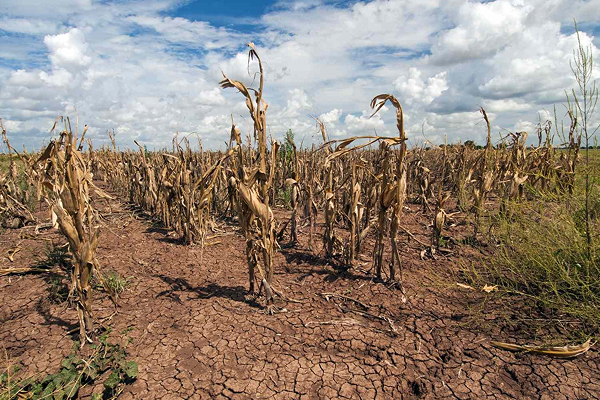
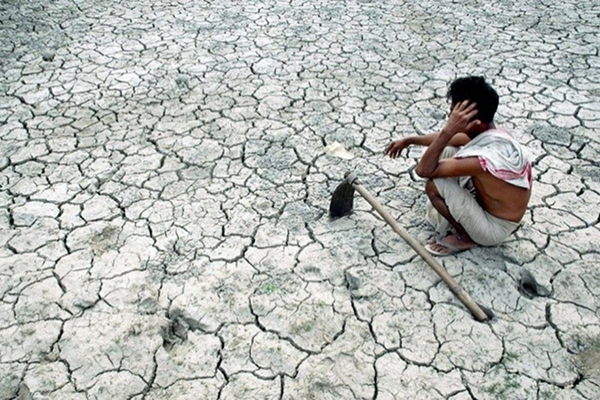
El Niño affects agriculture differently across India because its influence on monsoon rainfall varies from region to region. Areas dependent on rainfed farming, especially central, western and northwestern India, are generally more vulnerable to delayed rainfall, prolonged dry spells and reduced crop productivity, while the intensity of impacts differs with local climate and cropping systems.
1. Northwest India (Punjab, Haryana, Rajasthan, W. UP)
2. Central India (MP, Chhattisgarh, Vidarbha)
3. Western India (Maharashtra, Gujarat)
4. Southern Peninsular India (Karnataka, Telangana, Andhra Pradesh, Tamil Nadu, Kerala)
5. Eastern India (Odisha, Jharkhand, Bihar, West Bengal)
6. Northeast India (Assam, Meghalaya and other NE states)
During El Niño years, when rainfall is erratic and water becomes scarce, the Multiplex Yuktix Gida Bits Smart Sensor helps farmers make better irrigation and crop management decisions using real-time field data.
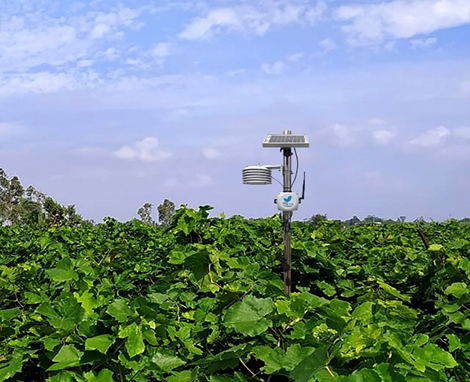
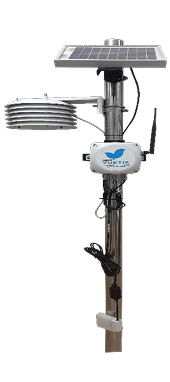
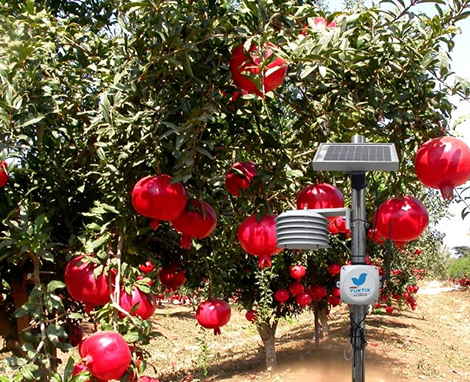
Currently in 2026, El Niño is contributing to below-normal and uneven monsoon rainfall across many parts of India, increasing drought risk and affecting kharif crops. Adopting climate-smart farming, efficient irrigation, water conservation, and timely weather-based advisories is helping farmers reduce losses and improve agricultural resilience.