UPI Payment





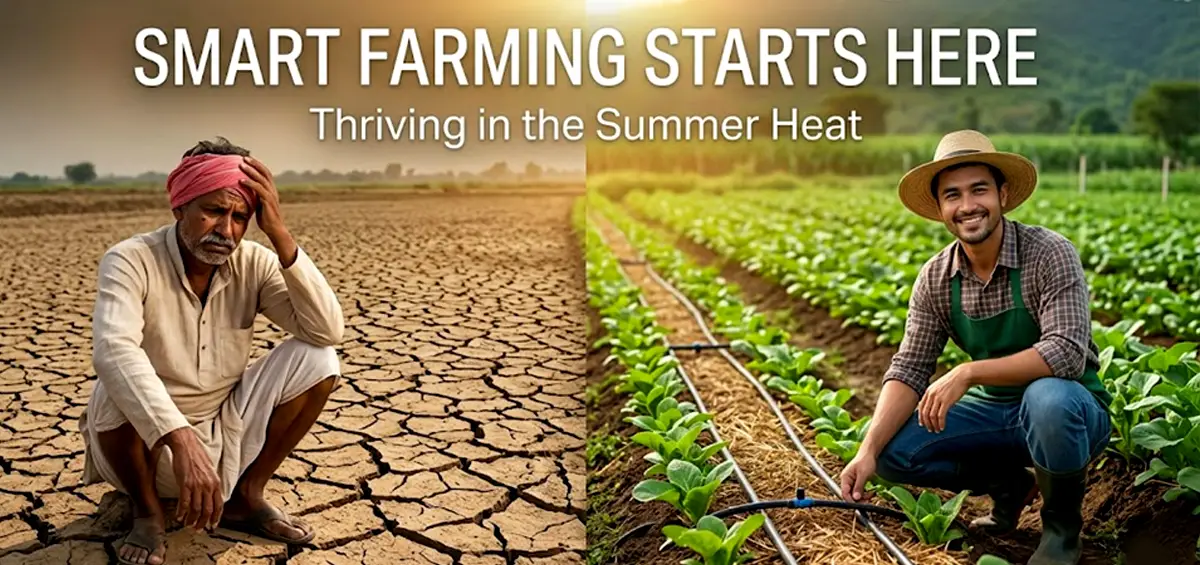
Summer farming can be tough—the sun is strong, the soil dries quickly, and water becomes very precious. But with smart land preparation, you can still grow healthy crops and get good yields. The key is to see your field as a living system. When you take care of the soil by saving moisture and improving its health, crops grow better. Summer farming is not just about growing crops, but about using water wisely and keeping soil strong in harsh conditions.
In summer, farmers face high heat, low moisture, and rapid soil drying, making crop establishment difficult. The main goal is to save water and keep soil healthy.
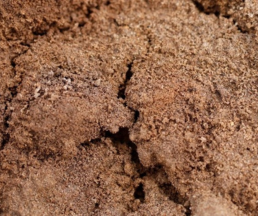
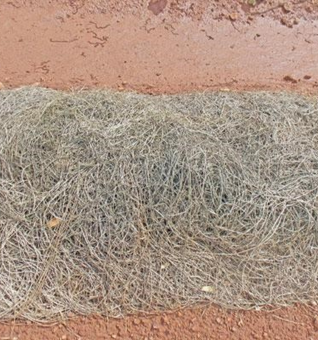
In sandy soils, where water drains quickly and soil dries fast, the focus should be on improving water retention. Adding organic matter like compost, farmyard manure, or vermicompost helps hold moisture longer. Light ploughing avoids excess moisture loss, while mulching with straw or dry leaves keeps soil cool and reduces evaporation. Irrigation should be frequent but in small amounts.
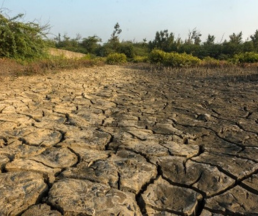
Clay soils hold too much water and can become hard and cracked in summer. Deep ploughing breaks compact layers and improves root growth. Proper drainage channels prevent waterlogging, and adding organic matter improves soil structure. Avoid working soil when too wet or too dry; slightly moist conditions are best.
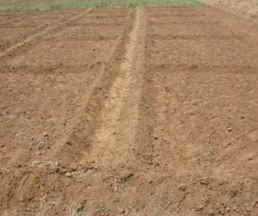
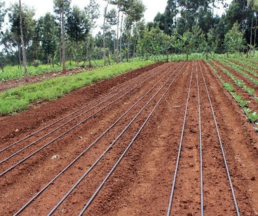
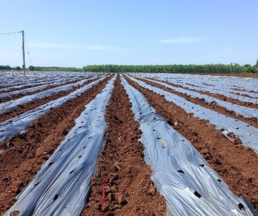
Red soils are low in nutrients and water-holding capacity. Adding compost and fertilizers improves fertility, while mulching reduces moisture loss. Proper land levelling ensures even water distribution, and drip irrigation helps conserve water and supply moisture efficiently.
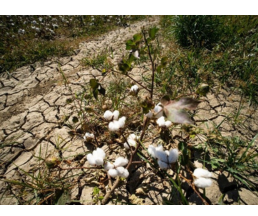
Black soils, or cotton soils, crack in summer and become sticky when wet. Deep ploughing before peak summer helps control cracking. Harrowing and levelling maintain an even surface, while proper irrigation channels ensure smooth water movement and prevent stagnation.
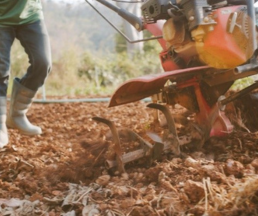
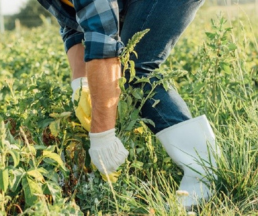
Successful summer farming begins with deep ploughing after the Rabi harvest or in early summer, as it breaks hard soil layers, improves root penetration, and exposes pests and weed seeds to sunlight, helping reduce their population naturally. Field cleaning is the next crucial step, where removing weeds and old crop residues prevents the carryover of pests and diseases and reduces competition for nutrients and water. Instead of burning residues, they should be used for composting or mulching to enrich the soil.
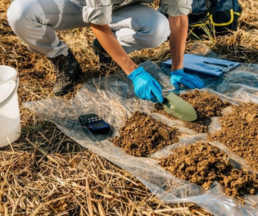
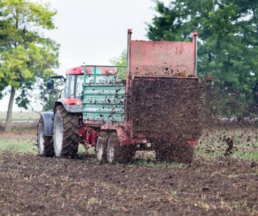
Soil testing is another essential practice before applying fertilizers, as checking soil pH, nutrient levels, and organic matter content helps farmers apply the right inputs in correct quantities, saving money and resources while improving crop performance. Adding organic matter such as farmyard manure, compost, or vermicompost significantly improves soil health by enhancing water-holding capacity, supporting beneficial microbial activity, and improving soil structure, acting like a sponge to store moisture.
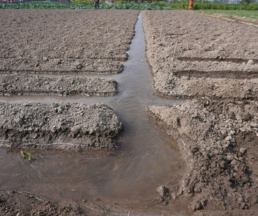
After ploughing, harrowing and levelling should be done to break soil clods and create a uniform field, ensuring even water distribution, reducing water loss, and supporting better seed germination. Irrigation planning is especially important in summer, and creating proper irrigation channels along with adopting efficient systems like drip or sprinkler irrigation helps deliver water directly to plant roots while minimizing wastage.
Mulching is one of the most effective practices for summer farming, as using straw, dry leaves, or crop residues reduces evaporation, keeps soil temperature lower, controls weeds, and conserves moisture while improving overall soil health.
Farmers should avoid excessive ploughing, as it leads to faster moisture loss and soil degradation. Burning crop residues should also be avoided since it weakens soil fertility and harms beneficial organisms. Lack of irrigation planning results in water wastage, while skipping mulching leads to rapid moisture loss and reduced crop performance.
Simple practices such as choosing crops that require less water, using biofertilizers, practicing crop rotation, irrigating during morning or evening, and covering the soil can make a big difference.
Summer farming is about balance—saving water and maintaining soil health. Prepare well, conserve water, and your soil will reward you with better growth and yields.