UPI Payment





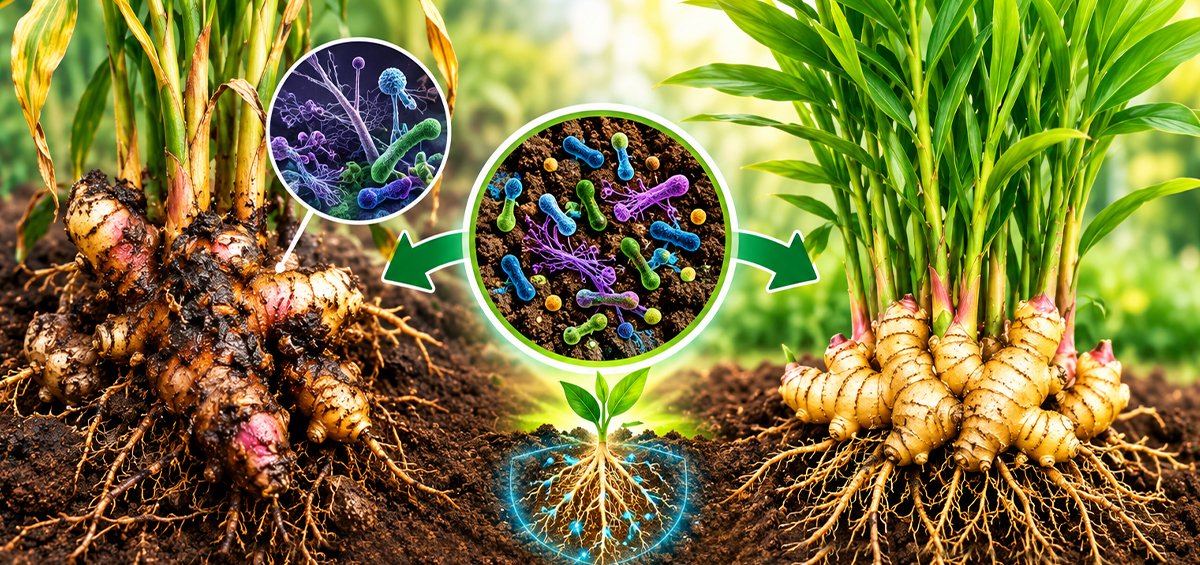
Imagine digging into the soil and discovering a golden treasure beneath your feet—that is ginger (Zingiber officinale). More than a spice, ginger has been an integral part of Indian kitchens and Ayurveda for centuries and is now an important high-value cash crop and source of farm income. Yet, the real value of ginger develops hidden beneath the soil in its rhizomes. Protecting these rhizomes throughout the crop cycle is therefore essential for securing yield and farmer returns. However, this underground treasure is highly vulnerable to diseases—particularly rhizome rot, one of the most serious threats to ginger production.
Rhizome rot, or soft rot, is one of the most destructive soil-borne and infected-rhizome-borne diseases of ginger in India. Under favorable warm and wet conditions, it can spread rapidly and cause severe yield losses—up to 70% nationally and even higher in regions such as Kerala and the North-East.
Ginger rhizome rot is a disease complex associated with multiple soil and rhizome-borne pathogens,
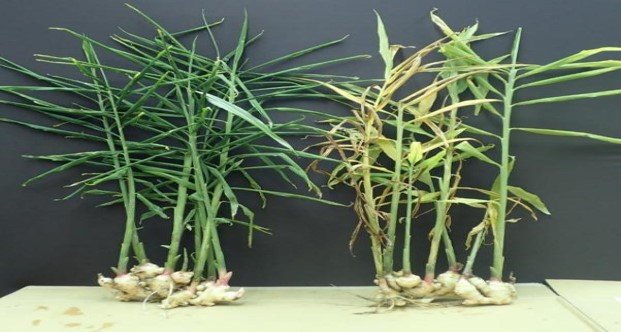
1. Yellowing of lower leaves: Yellowing starts from the leaf tips and margins, while the center remains green, and gradually progresses upward.
2. Water-soaked collar: The collar region at soil level becomes brown, soft and water-soaked; this is a key diagnostic symptom.
3. Progressive rot: Infection spreads upward through the pseudostem and downward into the rhizome, causing the clump to become loose and easily pulled out.
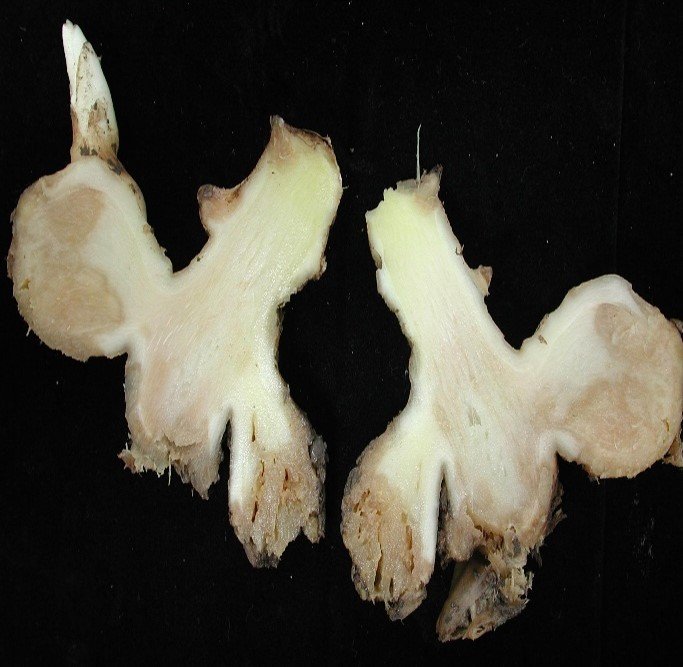
4. Soft, decayed rhizome: Rhizomes become brown, soft and water-soaked, often accompanied by a foul odour.
5. Wilting and plant collapse: Leaves droop and dry, pseudostems wither, and infected plants eventually collapse, forming dead patches in the field.
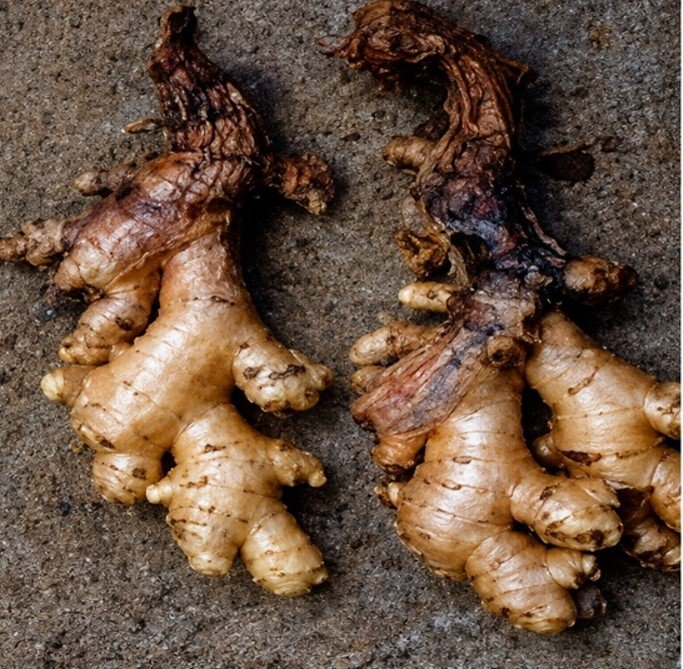
1. Cultural Measures (Before Planting)
Selection: Select healthy, firm and disease-free rhizomes and cut them into 15–20 g pieces, each with 1–2 healthy buds.
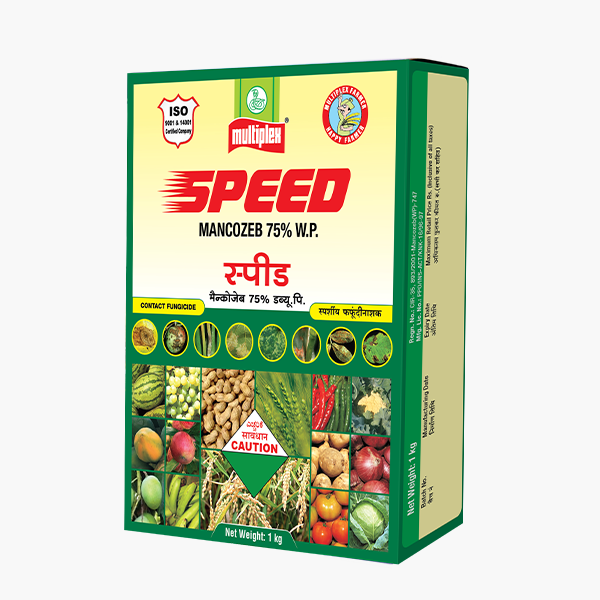
Chemical Treatment: For 1 acre, dip the seed rhizomes in a Multiplex Speed (Mancozeb) solution at 3 g/L of water for 30 minutes, then shade-dry them before planting.
Biological Treatment: Use Multiplex Nisarga (Trichoderma viride 1.5% WP) at 5 kg/acre in approximately 500–600 L water. Dip the rhizomes for 30 minutes, then shade-dry for 4–6 hours.
Note: Follow any one of the seed-treatment methods: chemical, or biological.
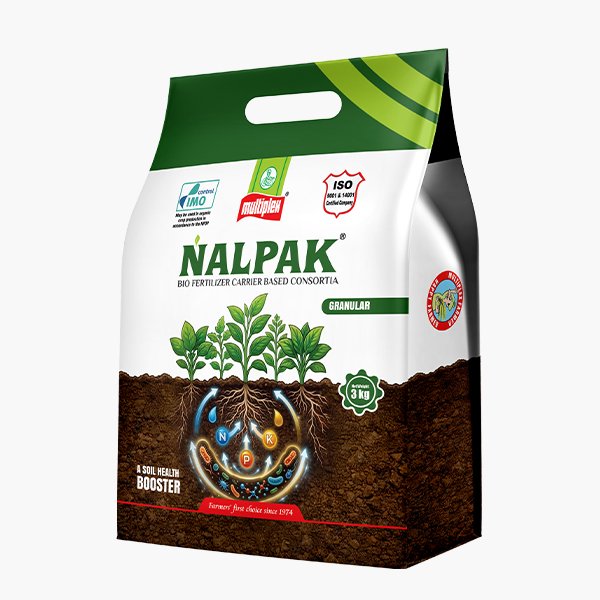
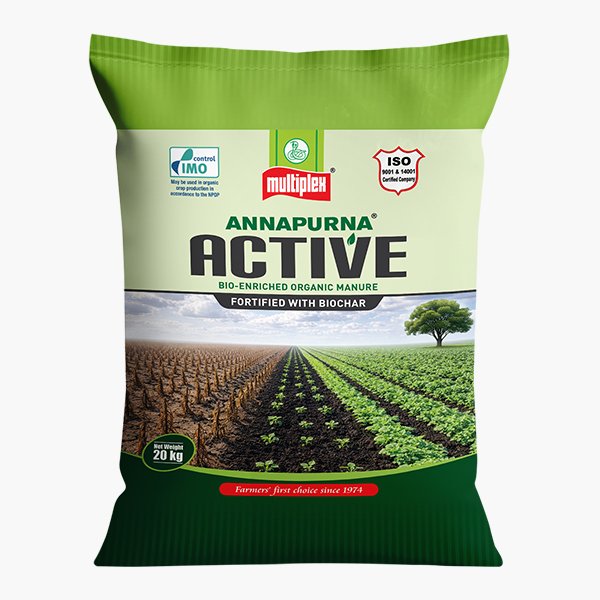
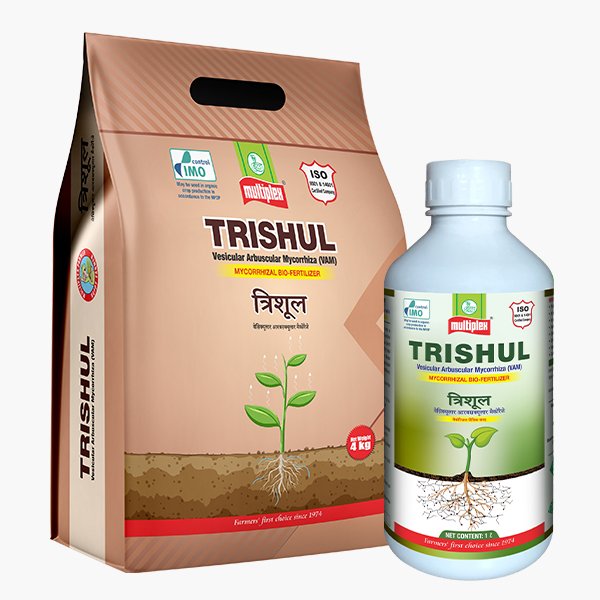
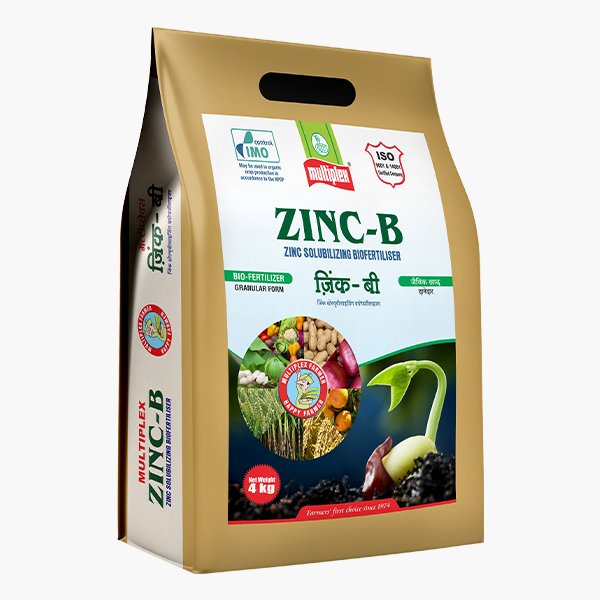
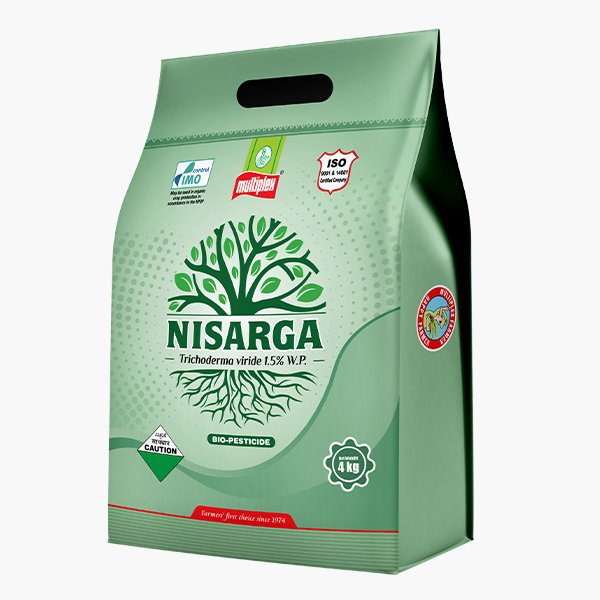
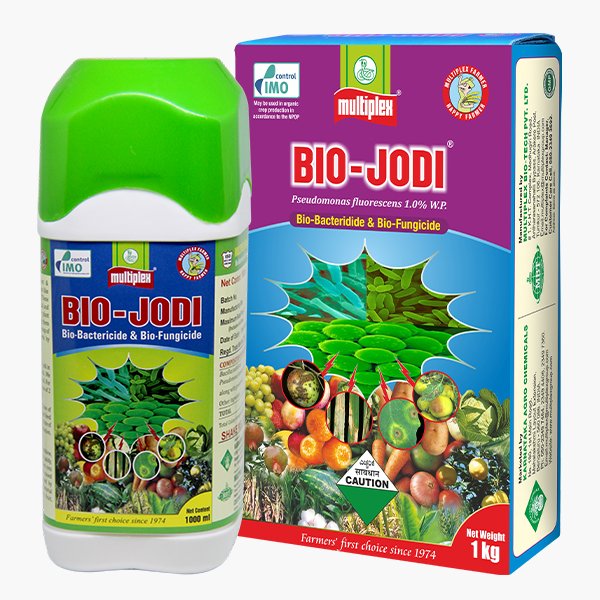
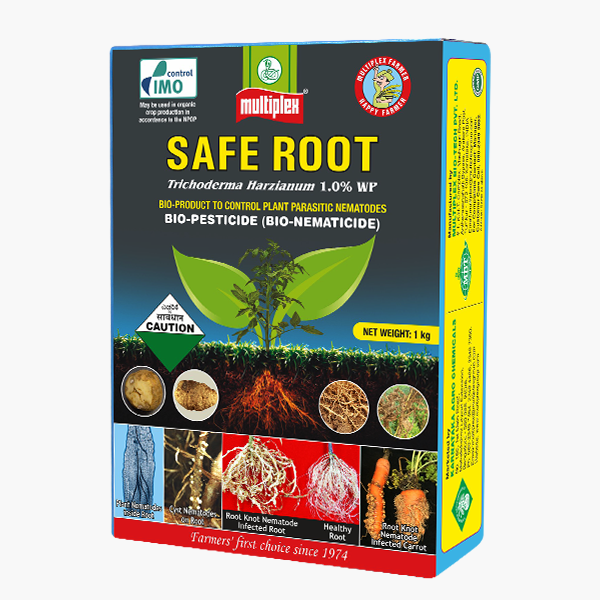
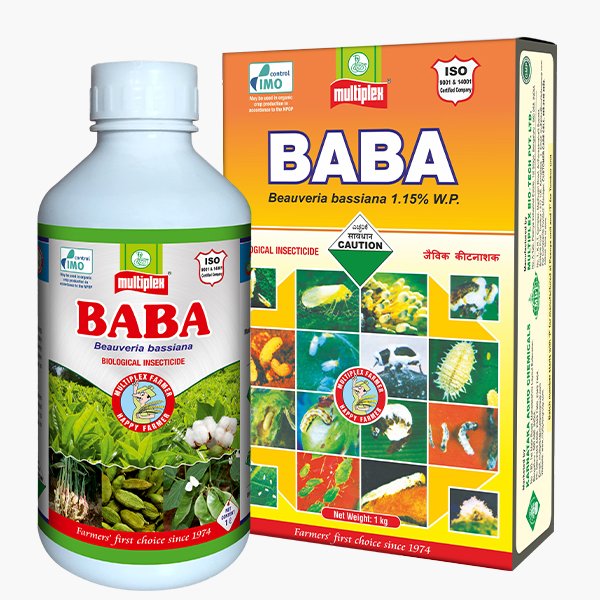
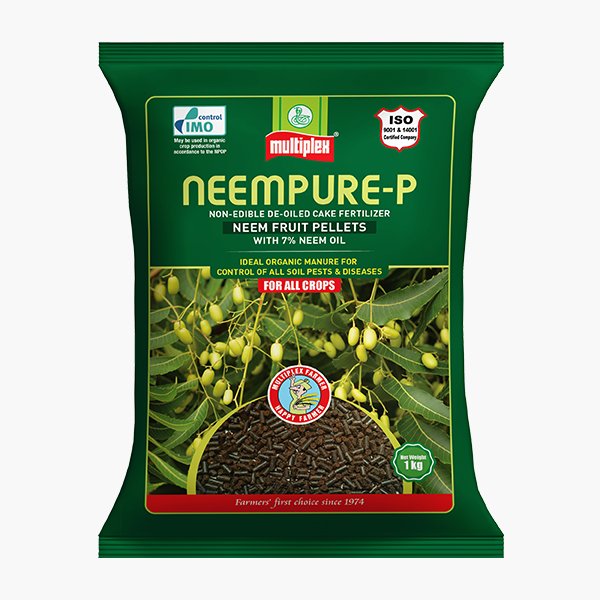
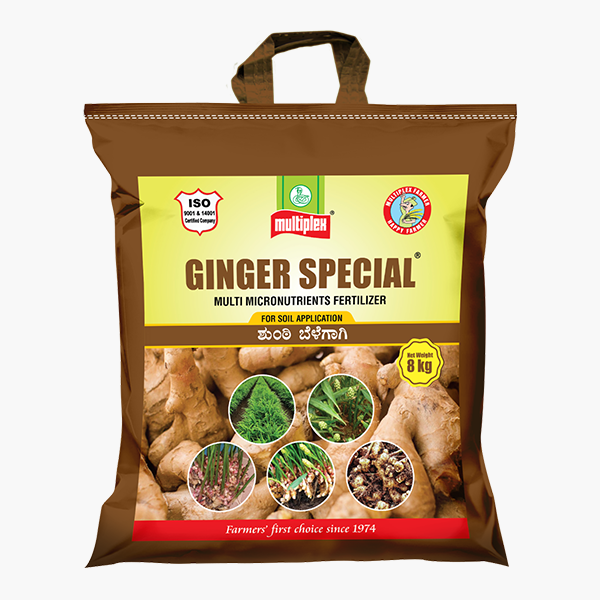
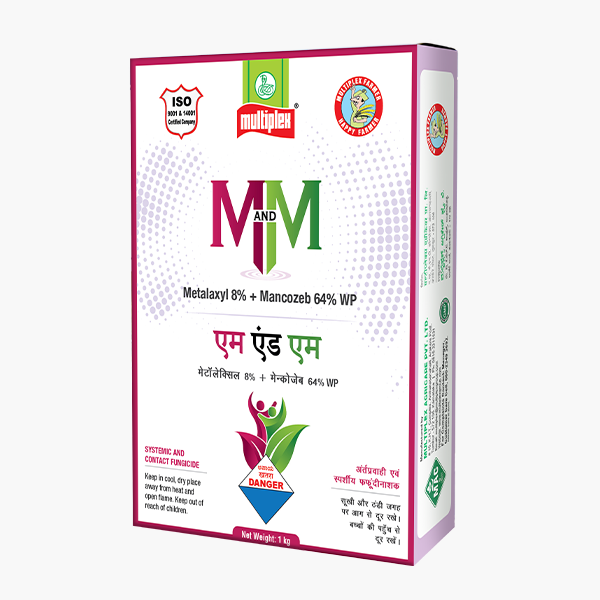
Ginger rhizome rot is best prevented by using healthy seed rhizomes, ensuring proper drainage, applying beneficial microbes, and managing soil pests and nematodes preventively. Establishing a healthy soil environment before the rain and monitoring the crops throughout the season helps to reduce disease pressure, promote stronger roots and healthier plants, and minimize the need for emergency fungicide applications. A one-time biological package before planting costs less than repeated emergency sprays later. making early prevention a more effective, economical, and sustainable strategy for managing rhizome rot.