UPI Payment





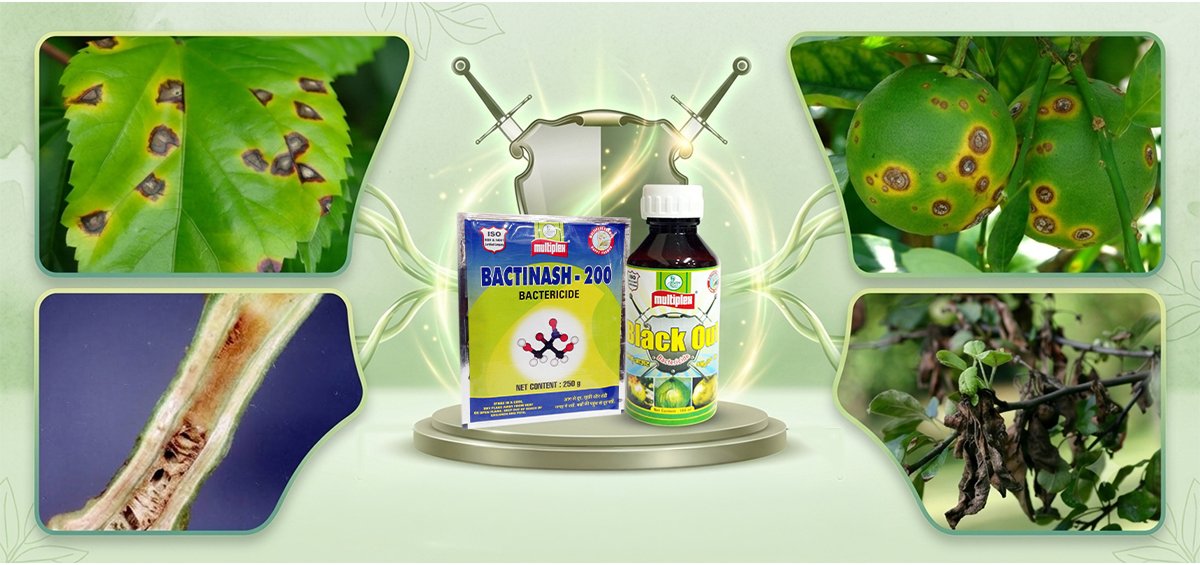
Bacterial diseases remain one of the most difficult challenges in modern crop production. Pathogens such as Xanthomonas, Pseudomonas, Erwinia and Ralstonia can cause leaf spots, blights, cankers, wilts and fruit infections, leading to significant reductions in crop yield and quality. Unlike fungal diseases, farmers have relatively fewer effective bactericidal options, making disease management increasingly dependent on a combination of chemical, biological and plant-defence-based approaches.
For many years, bacterial disease management has depended mainly on copper-based compounds and antibiotics such as streptomycin. However, repeated use of the same chemistry can contribute to the development of resistant bacterial populations. Concerns regarding antibiotic stewardship and regulatory restrictions have also increased the need for alternative solutions.
As a result, agricultural research is moving towards a broader approach: directly suppressing the pathogen while simultaneously improving the plant's natural ability to resist infection.
Antibiotics such as Kasugamycin, Streptomycin, Tetracycline and Oxytetracycline act primarily by interfering with bacterial protein synthesis.
Kasugamycin, produced by Streptomyces kasugaensis, has attracted attention for the management of diseases caused by pathogens such as Xanthomonas, Pseudomonas and Erwinia. It can be particularly useful in situations where resistance to older antibiotics is a concern. Streptomycin remains one of the most established agricultural antibiotics, but resistance development has reduced its reliability in some production systems. Similarly, Tetracycline and Oxytetracycline have demonstrated activity against several bacterial pathogens, although their agricultural use depends on crop-specific registration and regulatory approval.
An important development in bacterial disease management is the use of plant-defense activators. Acibenzolar-S-methyl (ASM) activates systemic acquired resistance (SAR), strengthening the plant’s natural defense mechanisms against pathogens such as Xanthomonas and Pseudomonas. Similarly, Laminarin, a natural polysaccharide derived from brown algae, acts as a defense elicitor and prepares the plant to respond more effectively to pathogen infection. These technologies represent a shift from directly killing bacteria toward strengthening the plant’s natural ability to resist disease.
Bacteriocins are antimicrobial proteins or peptides produced by microorganisms. Some can selectively suppress specific bacterial species by damaging cell membranes or interfering with essential cellular functions. Antimicrobial peptides (AMPs) represent another promising area. These molecules can originate from plants, microorganisms, fungi, animals or synthetic sources. Plant-derived AMPs include defensins, thionins, hevein-like peptides, lipid-transfer proteins, snakins and cyclotides. Because many AMPs act directly on bacterial membranes and may operate through multiple mechanisms, they offer potential for developing more targeted and innovative antibacterial products.
Bronopol (2-bromo-2-nitropropane-1,3-diol) is a broad-spectrum antimicrobial compound with bacteriostatic and bactericidal activity.
It acts primarily through oxidative damage to essential thiol-containing compounds in bacterial cells. It reacts with sulfhydryl (–SH) groups present in important enzymes and cellular molecules such as cysteine and glutathione, disrupting essential metabolic processes. Under aerobic conditions, this reaction can generate reactive oxygen species (ROS), including superoxide and peroxide, which further damage bacterial cellular components and contribute to bactericidal activity. Bronopol has also been reported to cause some membrane damage, adding to its antimicrobial effect.
This multi-target oxidative mechanism makes bronopol different from antibiotics that primarily target protein synthesis or other specific bacterial processes.
Multiplex Bactinash-200 and Black Out are bronopol-based antibacterial formulations containing 2-bromo-2-nitropropane-1,3-diol at 95% and 60% w/w, respectively. Both products are having antibacterial/antibiotic and immunomodulatory modes of action. They are positioned for the management of a range of bacterial diseases, including bacterial wilt, bacterial leaf blight, fire blight, seedling blight, crown gall, stem and fruit canker and other bacterial disorders across different crops.
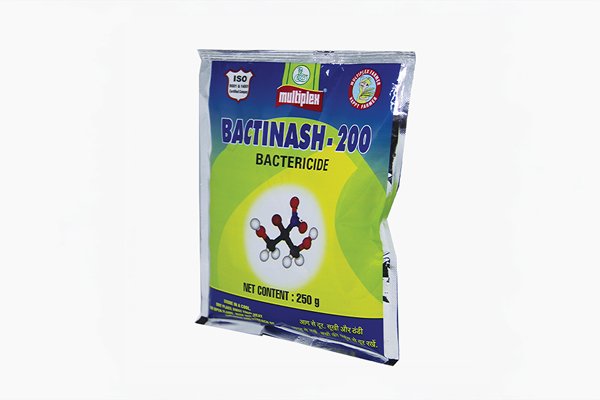
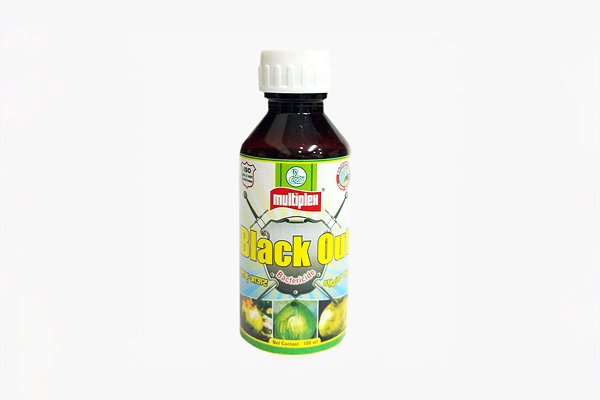
In addition to direct antibacterial activity, their immunomodulatory role is intended to support plant defence responses and improve resistance to pathogen infection. Together, these bronopol-based technologies highlight the potential of alternative antibacterial approaches for integrated bacterial disease management.
The future of bacterial disease management lies not in a single powerful bactericide, but in integrated approaches that combine different modes of action. Copper compounds and approved antibiotics can provide direct bacterial suppression, while plant-defence activators, biological agents and antimicrobial peptides offer additional or complementary protection.
Using different approaches in a planned manner can improve disease management and help reduce dependence on a single chemistry, which is important for delaying resistance development and improving long-term sustainability.
For practical agriculture, the focus should be on integrated disease management (IDM)—combining chemical protection, plant defence activation, biological control, sanitation and good crop-management practices. Importantly, all products must be used according to their approved crop, disease, dose and application recommendations in India.