UPI Payment





India's economy opened the new financial year on a high note. According to the Ministry of Statistics and Programme Implementation, India's GDP grew 7.8% year-on-year in the first quarter of 2026-27, up from 6.9% in the same quarter last year. Nominal GDP rose 10.3%, and Gross Value Added expanded 8.2%. It's one of the strongest totals India has posted in the current growth cycle, and behind the headline number sits a quieter, equally compelling story: the rise of India's agriculture and allied sectors.
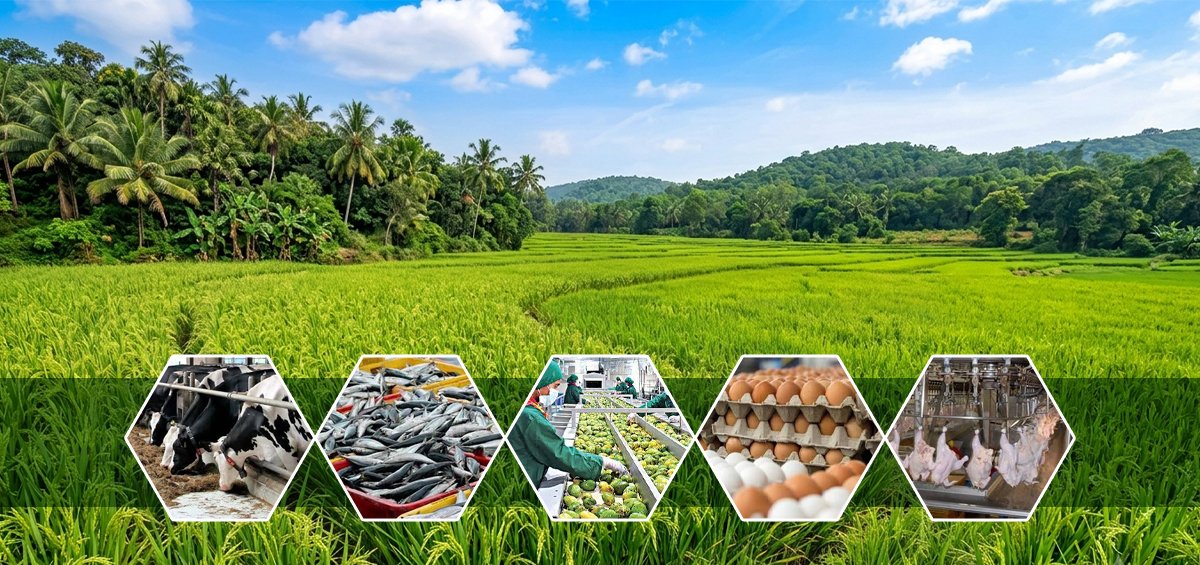
Agriculture and allied activities today employ 46.1% of India's workforce and contribute roughly ₹54 lakh crore to the economy annually at current prices. The sector clocked 3.8% growth in 2025-26, on the back of record Kharif output. Foodgrain production touched an all-time high of 357.73 million tonnes in 2024-25, nearly 8% more than the previous year. Agricultural exports hit a record 450 lakh crore rupees in 2025-26. These are not isolated data points; they are the compounding result of decades of investment in what economists call the ‘allied’ sectors — dairy, poultry, fisheries, food processing, and milling, which today generate as much momentum as traditional crop farming, sometimes more.
Indian agriculture scenerio changed from the onset of the Green Revolution. The Green Revolution brought a remarkable transformation to Indian agriculture from the mid-1960s onwards. The introduction of high-yielding variety seeds, improved irrigation, chemical fertilizers, pesticides, modern farm machinery and scientific farming practices greatly increased crop productivity, particularly in wheat and rice. It helped India move from food shortages and dependence on imports towards greater food-grain self-sufficiency and national food security. Farmers gained access to improved technologies and better farming practices, while agricultural production expanded significantly. The Green Revolution therefore laid the foundation for a more productive, modern and self-reliant Indian agricultural sector.
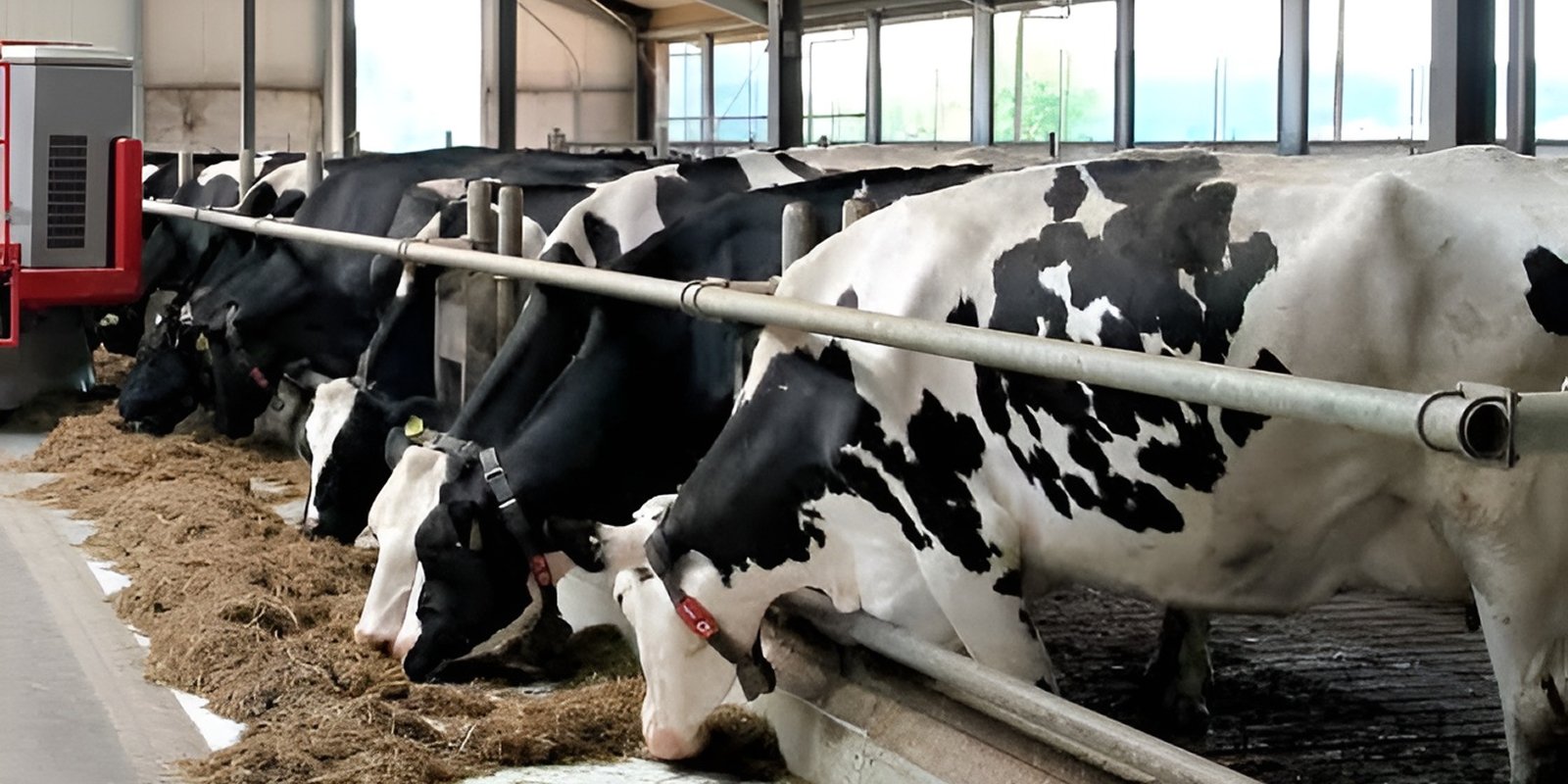
The story of allied agriculture arguably begins in 1970, with Operation Flood. Spearheaded by Dr Verghese Kurien and the National Dairy Development Board, the programme replicated Gujarat's Anand cooperative model across the country. Milk production rose from around 21 million tonnes in 1968 to 66 million tonnes by 1998, making India the world's largest milk producer. That momentum never slowed: India now produces over 239 million tonnes of milk a year, nearly 25% of global output, and the dairy and broader livestock sector alone contributes close to 5% of India's GDP and around 30% of agricultural GVA, supporting over 8 crore rural families.
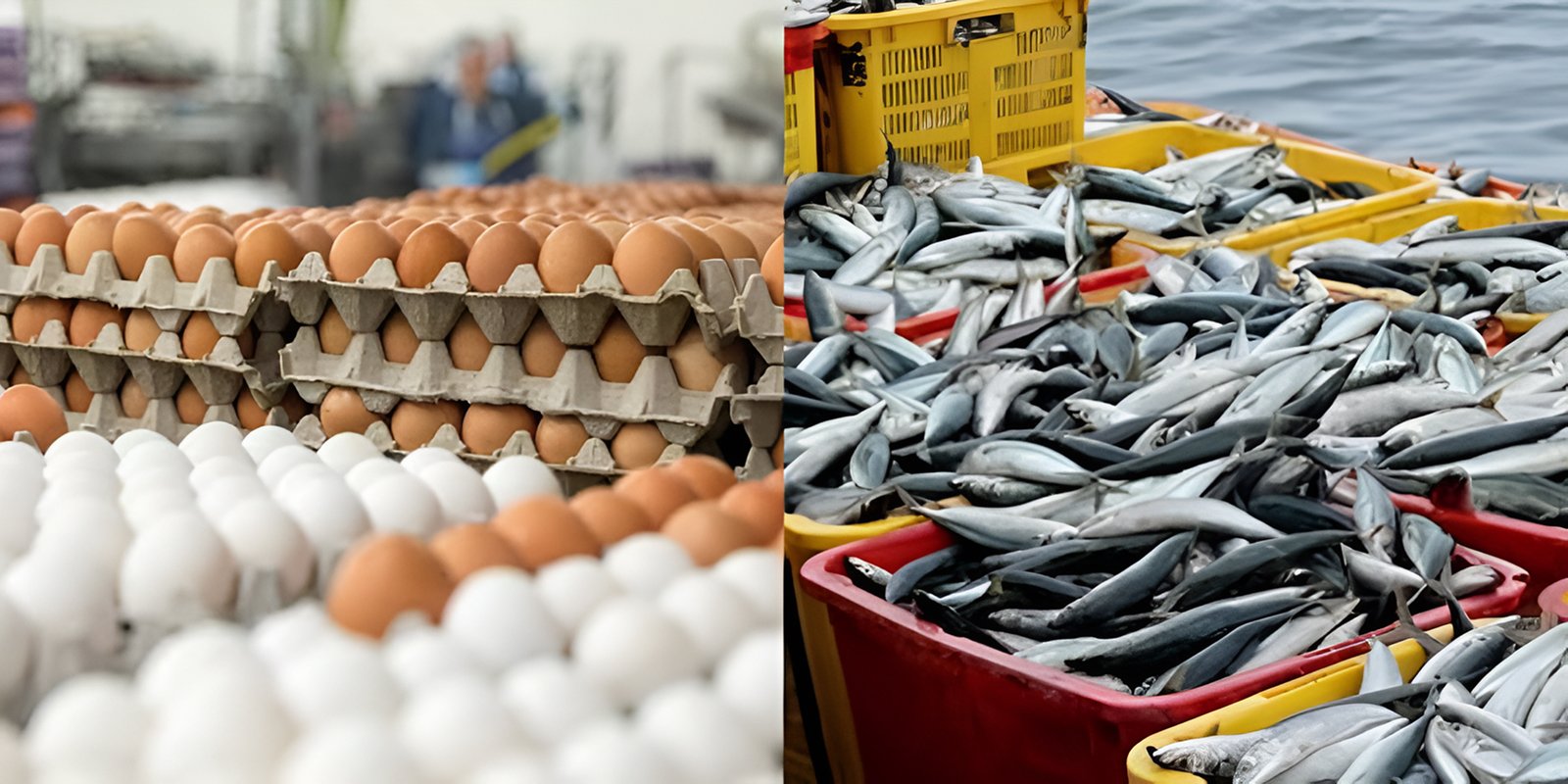
Dairy set the template, and India built on it. The Blue Revolution, launched in the mid-1980s, transformed fisheries and aquaculture into one of the fastest-growing segments of the rural economy. Fish production touched 195 lakh tonnes in 2024-25. Around the same period, the Pink and Silver Revolutions did the same miracles for meat and eggs. India is now the world's third-largest egg producer. Meat export earnings have crossed 3 billion US Dollars. The Golden Revolution in honey production, the Yellow Revolution in oilseeds, and the adoption of emerging technologies such as Artificial Intelligence, drones, precision farming and digital agriculture are further transforming India’s agricultural and allied sectors. These developments are improving productivity, enhancing resource efficiency, strengthening value chains and opening new opportunities for farmers, pushing Indian agriculture towards a more modern, technology-driven and prosperous future.
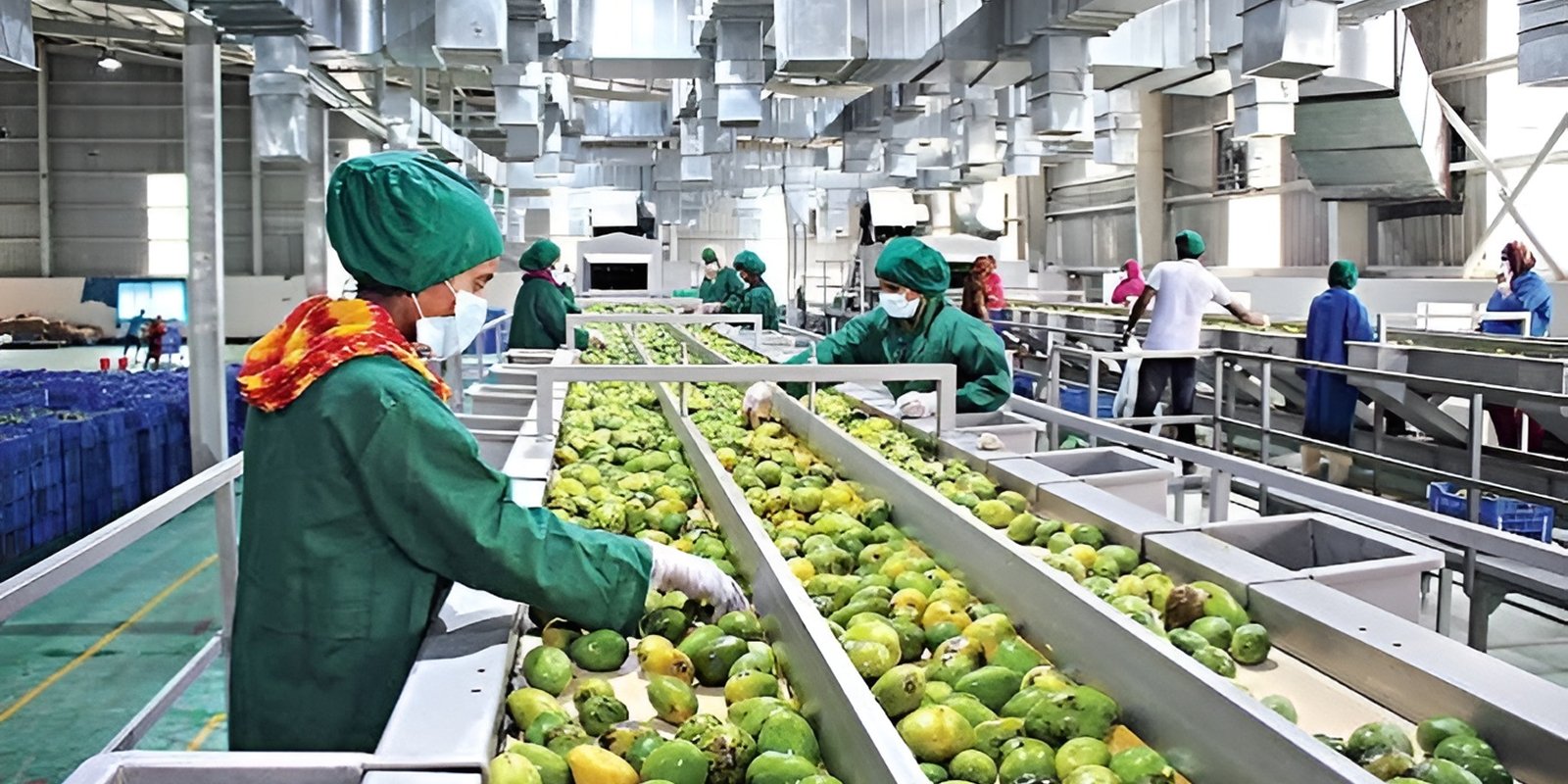
The newest frontier is what happens after the harvest. Food processing and milling have moved from being an afterthought to a genuine growth engine, plugging India's farms directly into organised retail, exports, and value-added manufacturing. Government schemes like the ‘Production Linked Incentive scheme’ for food processing and the Pradhan Mantri Kisan Sampada Yojana have poured investment into cold chains, mega food parks, and modern milling infrastructure - turning raw agricultural output into packaged, branded, export-ready products. This shift is a big part of why agricultural exports keep setting new records, and why rural incomes are increasingly diversified beyond the farm gate itself.
India remains the largest milk producer in the world, a top-five fish producer, and one of the largest exporters of agricultural commodities globally. As India's overall economy accelerates, powered this quarter by strong services, investment, and manufacturing growth. Agriculture and its allied sectors are no longer just the safety net they once were, they are becoming genuine growth multipliers: absorbing labour, feeding exports, and anchoring rural demand at a scale few other parts of the economy can match. With continued investment in processing, cold chains, and value addition, the allied sectors look set to be one of the more interesting growth stories to watch as India's economy heads deeper into 2026-27.