UPI Payment





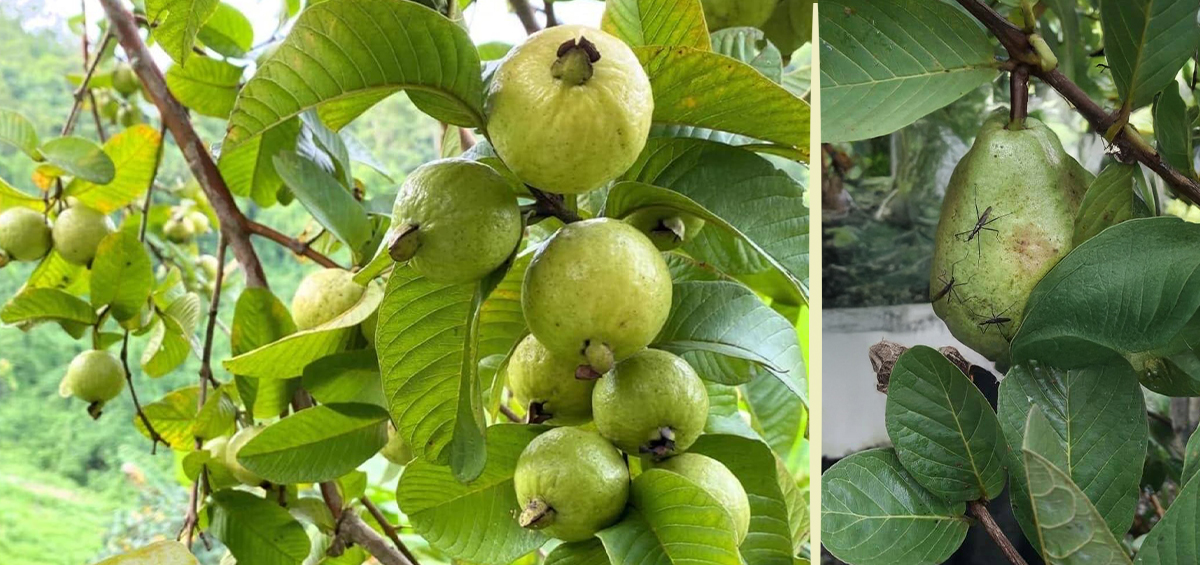
Tea mosquito bugs (Helopeltis spp.) are a significant pest, particularly in cashew and guava crops. These insects cause damage by feeding on tender shoots, flower buds, and fruits, leading to reduced yields and crop losses. The infestation is more severe in certain regions, such as the West Coast, and can be influenced by factors like the availability of host plants and weather conditions. T. mosquito bug is widely distributed in Karnataka, Goa, Maharashtra, and Tamil Nadu, attacking various crops, including Cashew, neem, moringa, and guava.
Adult is black with red thorax, black and white abdomen and greenish brown wings. Body is small, slender, with long antennae. An erect T shaped knob on the scutellum is characteristic of the species therefore it is called T mosquito bug. Bugs are active in the early morning and late evening hours and hide in the bushes during the remaining period. The tea mosquito bug (Helopeltis theivora) typically lays about 100 to 200 eggs during its lifespan. Eggs are inserted individually into tender shoots, flower buds, or leaf petioles. After 7 days eggs are hatched and enter into nymphal stages and there are 5 nymphal stages (instars). They are greenish-yellow slender and wingless. As they develop, wing buds become visible. Nymphs feed on plant sap, causing necrotic spots, leaf curling, and shoot drying. After 10 days nymph will become adult and both Adults and nymphs suck the sap from buds, young leaves and tender stems by puncturing with needle like stylets and injecting toxic saliva. These punctures appear as reddish-brown water-soaked spots. Later, they coalesce together to form necrosis. Due to intensive feeding, leaves curl up, become badly deformed and remain small. Gradually, the shoots dry up.
At least two sprays are recommended from the flushing to the fruiting stage to ensure a quality yield. During the fruiting stage, apply Multiplex Baba (B. bassiana) every 3 to 4 weeks.
By following these practices, you can better manage pests and enhance the quality of your guava yield.
The tea mosquito bug belongs to the Miridae family under the order Hemiptera. This pest is commonly found across India. It is notorious for attacking cashew, guava, moringa, neem, tea, and cocoa crops. cashew, cocoa crops and even some vegetables and weeds.
The bug's feeding on tender shoots, panicles, nuts, and fruits causes significant damage, leading to yield losses. In tea, for example, it can cause yield losses of 30-50%. The pest injects enzymes into the plant tissue while feeding, causing browning and scab-like lesions.
The adult tea mosquito bug is small and slender, black in colour with a red thorax and greenish-brown wings. Its most distinguishing feature is an erect, T-shaped knob on the scutellum (a small shield-like structure on its back), which gives it the nickname "T mosquito bug." These bugs are mainly active during early morning and late evening hours, and tend to hide in bushes during the hotter parts of the day.
A single female can lay between 100 to 200 eggs in her lifetime. The eggs are inserted one by one into the tender parts of the plant, mostly in young shoots, flower buds, and leaf petioles. After about seven days, the eggs hatch into greenish-yellow nymphs. These nymphs are wingless at first but gradually develop wing buds as they pass through five growth stages (instars) over the next 10 days.
Both the nymphs and adults are sapsuckers. Using their needle-like stylets, they puncture tender plant parts and inject toxic saliva. This not only removes vital plant nutrients but also causes a localized death of plant tissue, which appears as reddish-brown or black spots. Over time, these small spots merge into larger necrotic patches, leading to curling, stunting, and drying of shoots and leaves.
Being able to identify early signs of tea mosquito bug damage is essential for timely intervention. Here's what to look for:
The feeding wounds created by the bug often serve as entry points for fungal and bacterial pathogens, compounding the damage and accelerating fruit decay.
Managing this pest requires an integrated approach combining cultural, biological, and chemical strategies.
Apply at least two rounds of insecticide sprays from the flushing to fruiting stage for effective control. Ensure you follow proper safety measures and pre-harvest intervals while using chemicals.
The tea mosquito bug may be tiny, but its impact on guava and cashew production is massive. With rising concerns about pest resistance and chemical overuse, an integrated pest management (IPM) strategy is the way forward. By combining biological inputs like Beauveria bassiana and Verticillium lecanii with good orchard hygiene and timely chemical sprays, farmers can keep this pest in check without harming the environment.
Consistent monitoring, early detection, and scheduled management interventions can drastically reduce damage and improve the quality of your harvest.